Sermon preached at Evensong, St George’s Cathedral Cape Town. Second Sunday of Easter 12 April 2026
I’m sure many of you have heard a preacher end a sermon with a question or a controversial statement and instead of answering the question or explaining the statement, the preacher has left things just hanging there and gone back to their pew.
Recently I tried that at my home parish of St Stephen’s in Pinelands. Afterwards while shaking hands at the door, a lady said to me. ‘Are you okay? You just stop your sermon so suddenly!’ Realising that giving a dissertation on hermeneutics and homiletics while shaking hands at the door was inappropriate, I merely said: ‘I did that on purpose so that you could finish the sermon in your own mind during the silence that followed.’ She looked at me strangely but moved on.
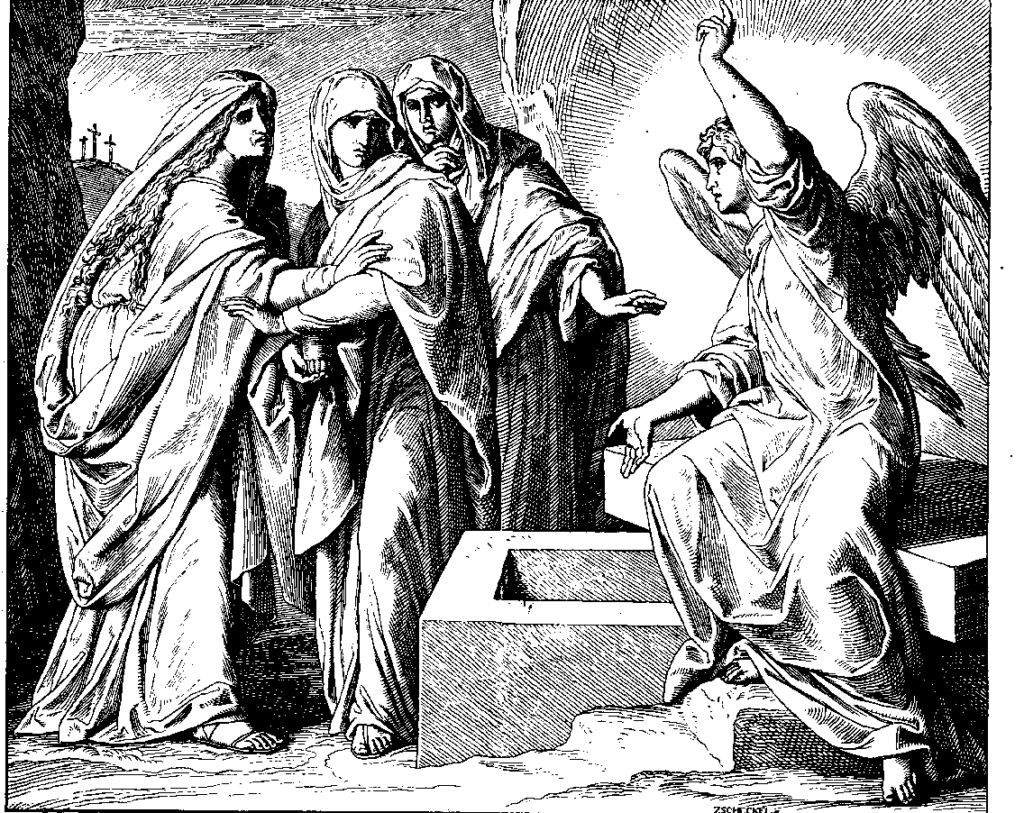
I was reminded of this after reading through our second lesson this evening. My sermon ending was a bit like the ending of Mark’s Gospel. The final chapter is quite famous for ending so abruptly. Following the young man’s statement of Jesus’ resurrection, the women flee the empty tomb in fear and tell no one. As Mark says: ‘they said nothing to anyone, for they were afraid.’
Later manuscripts of Mark’s Gospel have added a longer ending (16:9-20) This contains resurrection appearances and the Great Commission, but the earliest manuscripts end at verse 8, where our reading ended. Scholars are divided on whether the abrupt ending had an ending which is now lost or whether this an intentional literary device by Mark to challenge readers’ responses to the resurrection news. The same device I tried in my sermon.
‘… they said nothing to anyone, for they were afraid.’ At some point they must have said something to somebody, or this Cathedral would not be standing here tonight, nor would composers and poets have written the words and music of what we have said & sung thus far.
Since last Sunday and for a total of 50 days we start our Eucharist Services with the words Alleluia! Christ is risenand youhave responded He has risen indeed. Alleluia! Our hymns have been loud and filled with praise and expressions of thanksgiving to God for the resurrection. But all too often this praise and thanksgiving have remained here in this building and have not gone out into the rest of your life.
Our first lesson this evening has a heading in the NRSV of A Psalm of Thanksgiving. In this psalm Jonah expresses his thanks to God for deliverance from the rough seas and the belly of the fish often called the whale. Here in Cape Town the Iziko Museum has a Whale Well and it needs this vast open space to display all the whale skeletons. This Cathedral has a vast open space, and these columns rising up and arched at the top could be seen as whale ribs. So, my question is: do we perhaps feel too comfortable in this ‘whale’ – this cathedral – and unlike Jonah, we do not wish to be spewed out into the world to carry out the tasks God has given us.
For Jonah the task meant going to Ninevah and telling them to change their ways or be destroyed. Do go and read the whole of the story of Jonah, it is only three pagers long. Jonah being swallowed by a fish, is used as a metaphor. It is a didactic story (a parable) to teach us about God’s mercy and obedience.
And those women, they, at first, hid. This was their equivalent of Jonah’s big fish and they ‘said nothing to anyone, for they were afraid.’ Have you spoken to anyone about Jesus’ resurrection or are you afraid? Just as Mark challenged his readers to respond to the resurrection news by ending his Gospel abruptly, I’m challenging you tonight make your response.
If you are anything like me, you’ve had moments in your life when you’ve done something stupid that you regret doing. Perhaps it was something inappropriate you said at the wrong moment, and you just wish you could swallow your words. Or perhaps something you did which was hurtful to someone else – perhaps someone you love. Or perhaps it was something you failed to do, when someone else needed a bit of love and attention.
Think about such moments in your life right now. [Wait] I’m sure you can feel your cheeks going slightly red – you were embarrassed when you did or said it and although you’ve tried to forget about it, it keeps coming back to you and you re-live your embarrassment as you’ve just done now. You want it to be forgotten. Do you know what, you can do that? In fact, Jesus does just that with the woman at the well that we heard about in our gospel reading. He turned her need to forget thing in her past, if you like, for forgetfulness into memory, memories she can live with and acknowledge without fear of embarrassment.
Our Gospel reading this morning was thirty-seven verse long and this mainly because of the dialogue Jesus has with the Samaritan woman. Do you know this is the longest dialogue he has with anyone in the Gospels. Because John thinks it important, I’m going to consecrate on it too. I want to explore the subtle interchange of views between Jesus and the woman. To see how Jesus counselled her and show how his counselling changed her. And then to encourage you to explore this passage, or as some writers put it, for you to pray this passage and see how Jesus is not only answering the woman issues but also speaking directly to you.
That is one of the wonderful things that John, the gospel writer, is able to do in his Gospel. William Temple who has written a brilliant book on John said, his Gospel is like an onion, as you peel away one layer another appears, also needing to be peeled away to get to the heart of the matter.
Let’s start our journey to the heart of the matter. Let’s begin with the context of the story. Jesus is tired out; he is both hungry and thirsty. He sends his disciples into the city to get some food, and he sits down and rests at Jacob’s Well. A woman, who was a Samaritan, comes to the well to collect water. Now, this is unusual. Surely it was better to collect water early in the morning or perhaps as evening approached…but at noon? In the heat of the day? Was she trying to avoid going to the well when other women were there? Into this unusual situation we find Jesus and the woman starting to interact.
There were social obstacles which would normally prevent this happening. He was Jewish and she a Samaritan – Jews and Samaritans did not get along. They usually ignored each other. In modern terms we could say that each treated the other, as “Them”. You know what I mean… we say things like, ‘Well, what do you expect from them. They do this all the time, they naturally behave like that.’ But there was also an additional obstacle. Jesus was a man and, in those days, Jewish men and women do not converse in public. A Jewish man would not even speak with his wife in public.
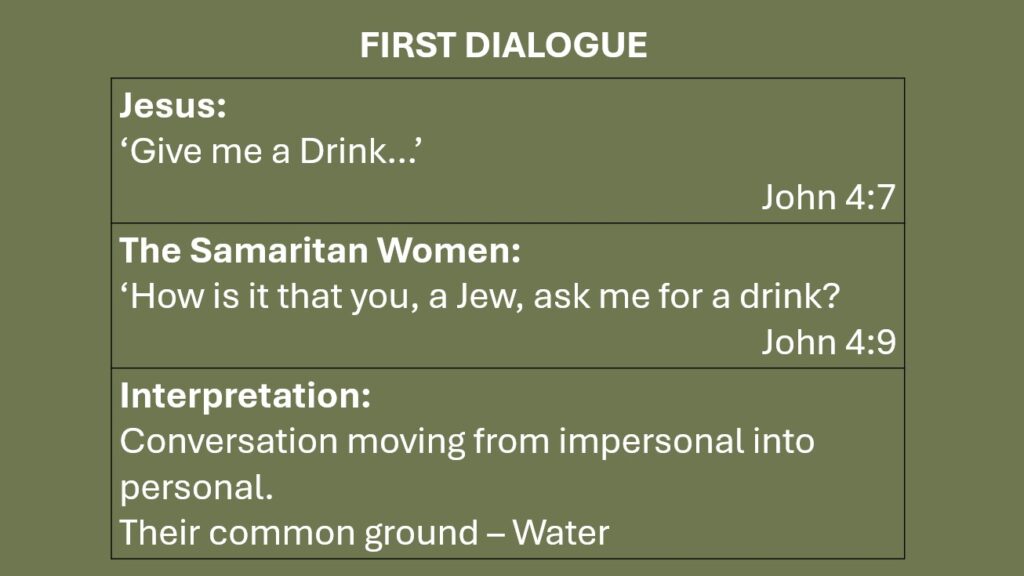
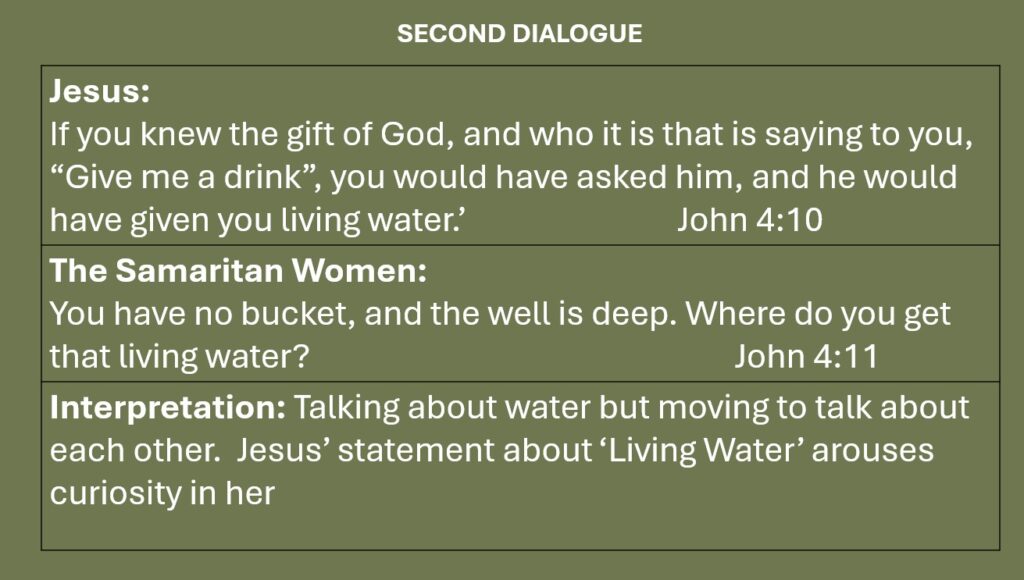
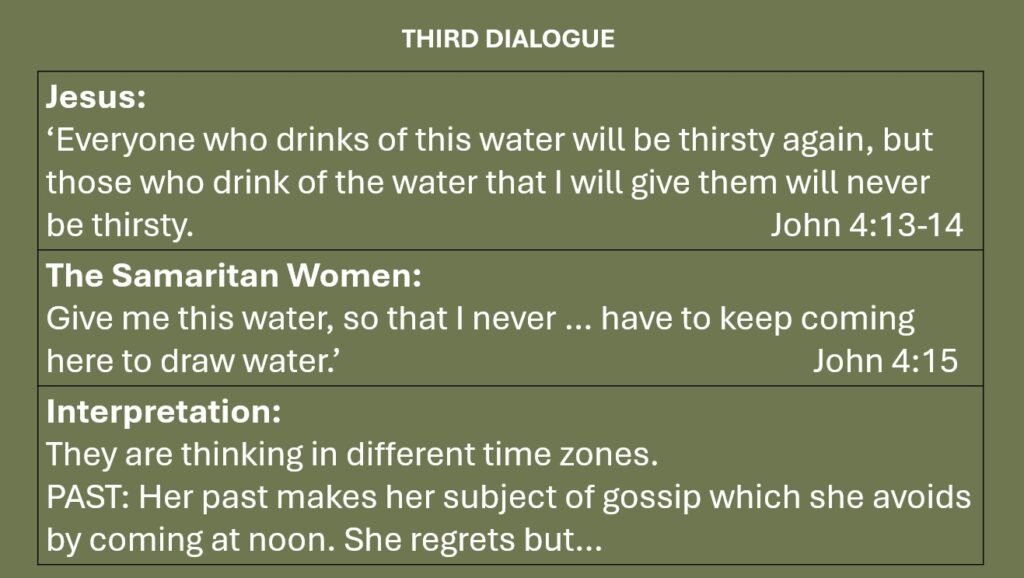
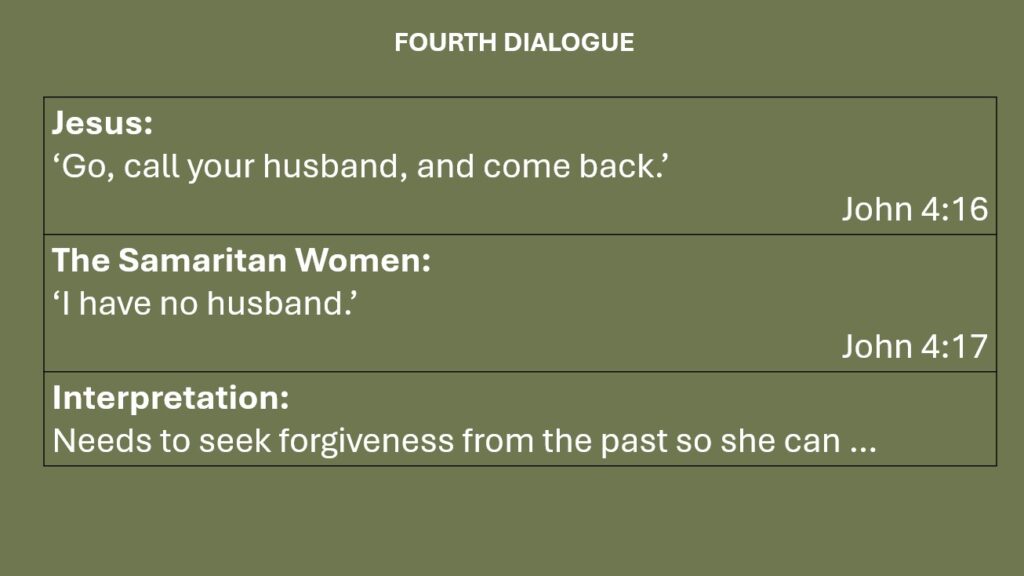
John is so clever in his writing of this story showing the opposite poles that these two people represent. He was Jewish and male, she was a Samaritan and a female. He was superior she was inferior because of her lifestyle. But a dialogue begins between them, but as I’ve already said this dialogue goes deeper than merely talking about water and thirst, about holy mountains and husbands. Let me place that dialogue in seven parts on the screen for you.
1st Dialogue: Already we see the conversation moving from the impersonal – water – to the personal- you a Jew me a Samaritan.
2nd Dialogue: It is still on water but now more directly personal. She addresses him personally ‘You’ and she is very curious about this living water.
3rd Dialogue: She is thinking of the past and she has been the subject of Gossip. So she avoids others by coming at noon. She regrets the past and it causes her discomfort in the present… she wants more but …
4th Dialogue: She needs forgiveness for the past in order to move on…
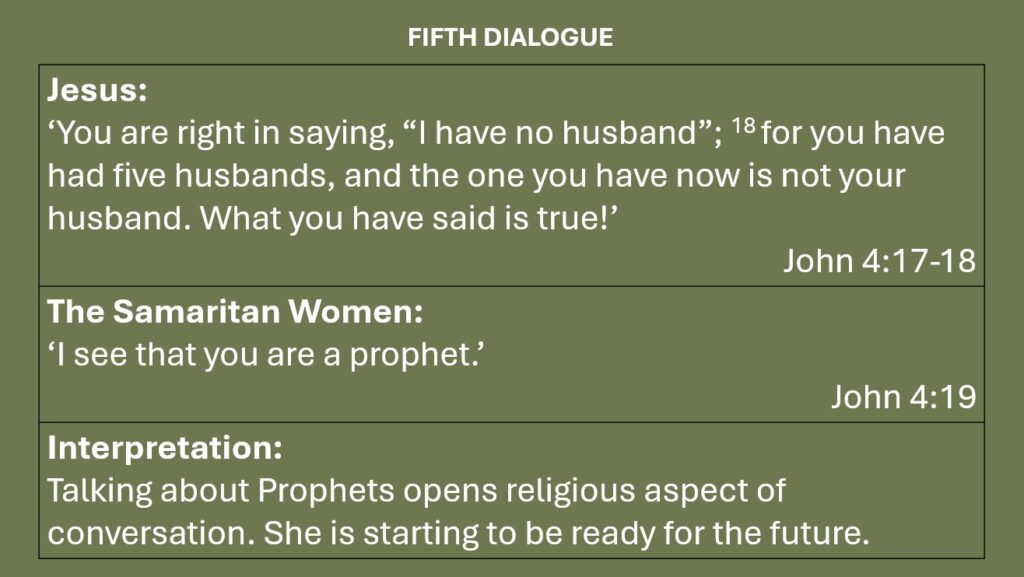
5th Dialogue: She starts talking about prophets. This means the dialogue is moving into the religious or spiritual realm. She is starting to be ready for what the future brings.
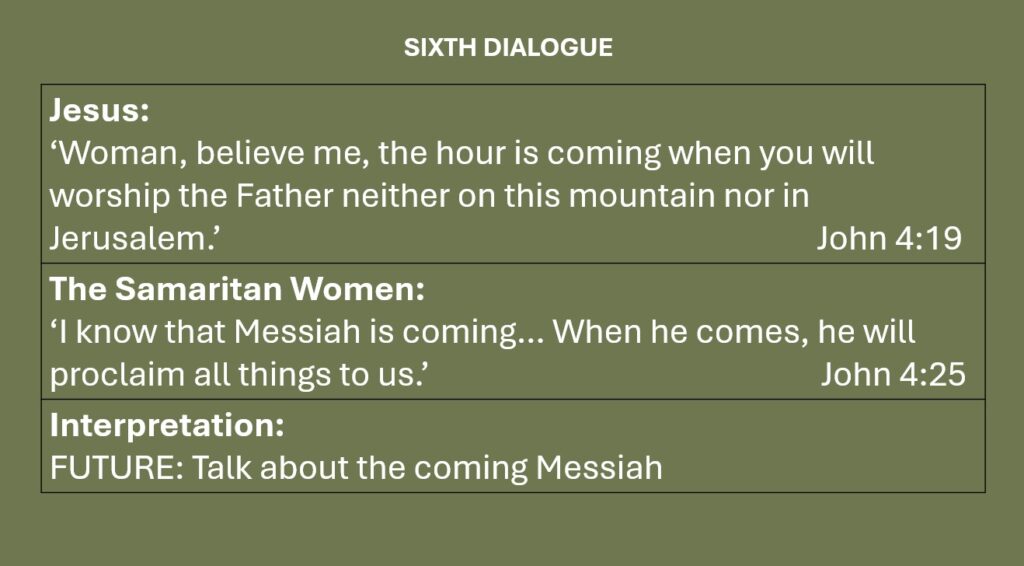
6th Dialogue: Now her thoughts are in the future, she is aware of the Messiah and what that means and what that will mean in her life
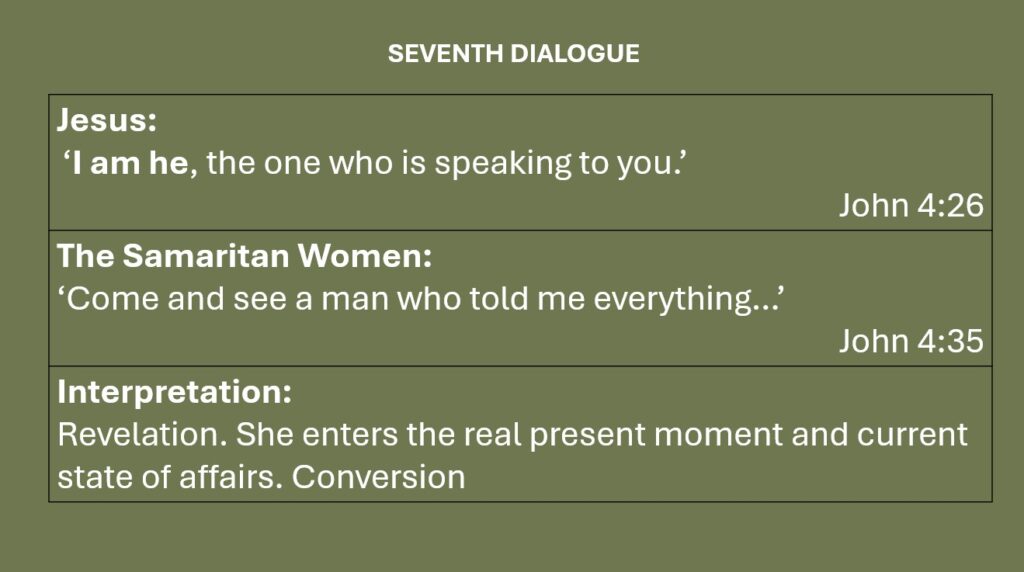
7th Dialogue: Jesus says I am he – for her that is a revelation leading to a conversion so she goes and tells other, ‘Come and see…’
In these seven interactions Jesus is gradually revealing who he is and as the woman responds she is gradually accepting who she is. For her this leads to an expansion of vision and as this occurs in her, so she starts to see the uniqueness of Jesus. Through this interchange he takes her from a place of forgetfulness – a place where she doesn’t want to look back at her past, she moves to a place of memory where she can let go all the denials and illusions of the past and finally come home to the reality of her life. Who she is and who God wants her to be.
The woman at the well starts by seeing Jesus as ethnically a Jew, then to seeing him stereotypically as a prophet, then to seeing him archetypically as Messiah to see his totality as revealer who ‘told me everything I have ever done!’
The woman is led away from her compulsive behaviour which is behaviour in bondage to the past. She no longer needs to repeat in a driven and unconscious way the patterns of the past. The energy previously locked-up in her defence of the past, is now free for her to use in witnessing, “Come and see a man who told me everything I have ever done!”
Do you know something? Her story can become your story. This woman, who questioned being compassionate to a Jewish man, Jesus, in his need for water, is just like us. Don’t we use the same excuse she used for not being compassionate to those who are different from us ethnically, ethically or from a different religious persuasion? In us so often there are the same needs and emotional upheaval as this woman had. Her face is the face of all of us, showing the inferiorities and incompleteness that we have kept pushed down and hidden in our memories.
Can I suggest that later today or during the week we re-read this story, and as we pray through this Gospel reading, we look into this woman’s face and we will see our own faces mirrored back at us. This Samaritan woman is in fact an anonymous part of us. We live in that experience… but is it not real for us? So as we read and pray this gospel story we, like her, are drawn to Jesus.
This story, this special dialogue between the woman and Jesus can, should awaken us into a desire, a calling, to want to live in response to something other than worldly pleasures. I don’t know about you, but I want my life to be a response to meaning and value, I want to know that my life made a difference. All this leads me, leads us to transformation.
The story began with water and I want to end with a quotation from a book by Diarmuid McGann entitled Journeying within Transcendence: The gospel of John through a Jungian Perspective.
The Water Jesus speaks of to [the Samaritan woman] is best called “living” water. That is a unique quality. It is not stagnant water, fresh water, purifying water, washing water. It is living water. It is water that is active and dynamic. It becomes a fountain, springing up, bubbling over, surging and cascading water that is overflowing and constantly renewing itself. Jesus makes it clear that this water is a gift, and that it is given to her, and to [us], in the dynamic movement from forgetfulness to memory.
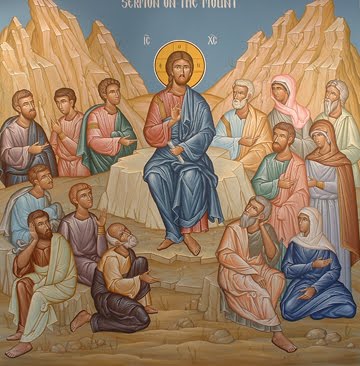
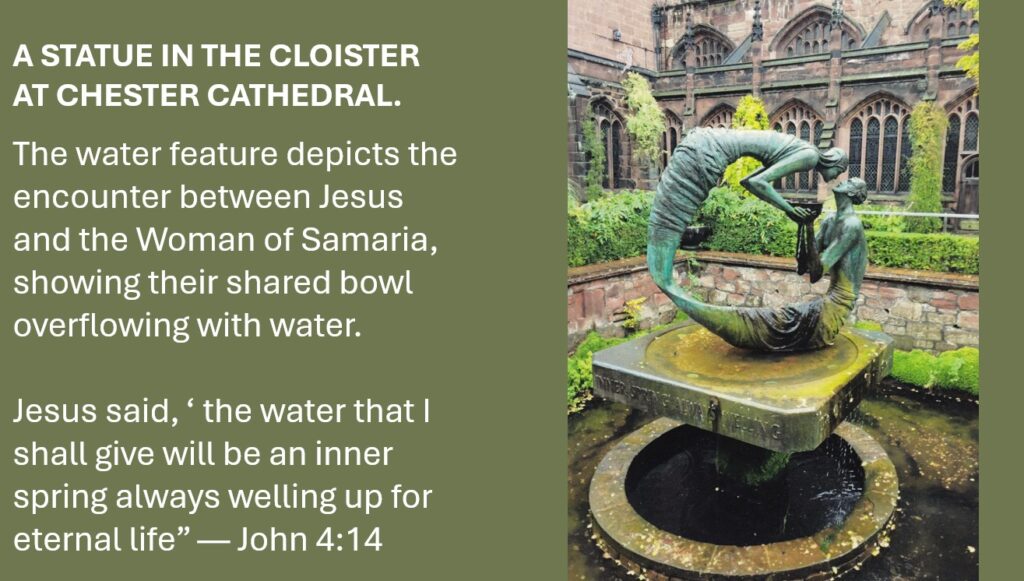
A final image of that interaction as depicted by a statue in Chester Cathedral Cloister which I will leave on the screen during the rest of the service.
If you are anything like me, you’ve had moments in your life when you’ve done something stupid that you regret doing. Perhaps it was something inappropriate you said at the wrong moment, and you just wish you could swallow your words. Or perhaps something you did which was hurtful to someone else – perhaps someone you love. Or perhaps it was something you failed to do, when someone else needed a bit of love and attention.
Think about such moments in your life right now. [Keep silent] I’m sure you can feel your cheeks going slightly red – you were embarrassed when you did or said it and although you’ve tried to forget about it, it keeps coming back to you and you re-live your embarrassment as you’ve just done now. You want it to be forgotten. Do you know what, you can do that? In fact, Jesus does just that with the woman at the well that we heard about in our gospel reading. He turned her need to forget thing in her past, if you like, for forgetfulness into memory, memories she can live with and acknowledge without fear of embarrassment.
Our Gospel reading this morning was thirty-seven verse long and this mainly because of the dialogue Jesus has with the Samaritan woman. Do you know this is the longest dialogue he has with anyone in the Gospels. Because John thinks it important, I’m going to consecrate on it too. I want to explore the subtle interchange of views between Jesus and the woman. To see how Jesus counselled her and show how his counselling changed her. And then to encourage you to explore this passage, or as some writers put it, for you to pray this passage and see how Jesus is not only answering the woman issues but also speaking directly to you.
That is one of the wonderful things that John, the gospel writer, is able to do in his Gospel. William Temple who has written a brilliant book on John said, his Gospel is like an onion, as you peel away one layer another appears, also needing to be peeled away to get to the heart of the matter. (Readings in St John’s Gospe4l: First and Second Series. William Temple. (London: Macmillan. 1939.)
Let’s start our journey to the heart of the matter. Let’s begin with the context of the story. Jesus is tired out; he is both hungry and thirsty. He sends his disciples into the city to get some food, and he sits down and rests at Jacob’s Well. A woman, who was a Samaritan, comes to the well to collect water. Now, this is unusual. Surely it was better to collect water early in the morning or perhaps as evening approached…but at noon? In the heat of the day? Was she trying to avoid going to the well when other women were there? Into this unusual situation we find Jesus and the woman starting to interact.
There were social obstacles which would normally prevent this happening. He was Jewish and she a Samaritan – Jews and Samaritans did not get along. They usually ignored each other. In modern terms we could say that each treated the other, as “Them”. You know what I mean… we say things like, ‘Well, what do you expect from them. They do this all the time, they naturally behave like that.’ But there was also an additional obstacle. Jesus was a man and, in those days, Jewish men and women do not converse in public. A Jewish man would not even speak with his wife in public.
John is so clever in his writing of this story showing the opposite poles that these two people represent. He was Jewish and male, she was a Samaritan and a female. He was superior she was inferior because of her lifestyle. But a dialogue begins between them, but as I’ve already said this dialogue goes deeper than merely talking about water and thirst, about holy mountains and husbands. Let me place that dialogue in seven parts on the screen for you.
1st Dialogue: Already we see the conversation moving from the impersonal – water – to the personal- you a Jew me a Samaritan.
2nd Dialogue: It is still on water but now more directly personal. She addresses him personally ‘You’ and she is very curious about this living water.
3rd Dialogue: She is thinking of the past and she has been the subject of Gossip. So she avoids others by coming at noon. She regrets the past and it causes her discomfort in the present… she wants more but …
4th Dialogue: She needs forgiveness for the past in order to move on…
5th Dialogue: She starts talking about prophets. This means the dialogue is moving into the religious or spiritual realm. She is starting to be ready for what the future brings.
6th Dialogue: Now her thoughts are in the future, she is aware of the Messiah and what that means and what that will mean in her life
7th Dialogue: Jesus says I am he – for her that is a revelation leading to a conversion so she goes and tells other, ‘Come and see…’
In these seven interactions Jesus is gradually revealing who he is and as the woman responds she is gradually accepting who she is. For her this leads to an expansion of vision and as this occurs in her, so she starts to see the uniqueness of Jesus. Through this interchange he takes her from a place of forgetfulness – a place where she doesn’t want to look back at her past, she moves to a place of memory where she can let go all the denials and illusions of the past and finally come home to the reality of her life. Who she is and who God wants her to be.
The woman at the well starts by seeing Jesus as ethnically a Jew, then to seeing him stereotypically as a prophet, then to seeing him archetypically as Messiah to see his totality as revealer who ‘told me everything I have ever done!’
The woman is led away from her compulsive behaviour which is behaviour in bondage to the past. She no longer needs to repeat in a driven and unconscious way the patterns of the past. The energy previously locked-up in her defence of the past, is now free for her to use in witnessing, “Come and see a man who told me everything I have ever done!”
Do you know something? Her story can become your story. This woman, who questioned being compassionate to a Jewish man, Jesus, in his need for water, is just like us. Don’t we use the same excuse she used for not being compassionate to those who are different from us ethnically, ethically or from a different religious persuasion? In us so often there are the same needs and emotional upheaval as this woman had. Her face is the face of all of us, showing the inferiorities and incompleteness that we have kept pushed down and hidden in our memories.
Can I suggest that later today or during the week we re-read this story, and as we pray through this Gospel reading, we look into this woman’s face and we will see our own faces mirrored back at us. This Samaritan woman is in fact an anonymous part of us. We live in that experience… but is it not real for us? So as we read and pray this gospel story we, like her, are drawn to Jesus.
This story, this special dialogue between the woman and Jesus can, should awaken us into a desire, a calling, to want to live in response to something other than worldly pleasures. I don’t know about you, but I want my life to be a response to meaning and value, I want to know that my life made a difference. All this leads me, leads us to transformation.
The story began with water and I want to end with a quotation from a book by Diarmuid McGann entitled Journeying within Transcendence: The gospel of John through a Jungian Perspective. (London: Collins. 1988):- The Water Jesus speaks of to [the Samaritan woman] is best called “living” water. That is a unique quality. It is not stagnant water, fresh water, purifying water, washing water. It is living water. It is water that is active and dynamic. It becomes a fountain, springing up, bubbling over, surging and cascading water that is overflowing and constantly renewing itself. Jesus makes it clear that this water is a gift, and that it is given to her, and to [us], in the dynamic movement from forgetfulness to memory.
A final image of that interaction as depicted by a statue in Chester Cathedral Cloister which I will leave on the screen during the rest of the service.
Previous Christmases I’ve chosen a carol that spoke to me about the true meaning of Christmas at that moment in my life. This year – maybe because we’ve been so busy – no such carol leapt out at me.
Karen and I only sat down to watch the TV version of Carols from Kings on New Year Eve. A couple of things amazed me about that programme. The first was how Daniel Hyde got the choir to sing so softly in the quiet parts and yet still sound exciting in the loud patches. The other thing was the way the choir members watched. I’ve always thought that a glance at the conductor once every bar was enough. Here the singers glanced at their music once a bar, the rest of the time their eyes were fixed on Daniel Hyde.
The TV camera operators had numerous ‘arty’ shots of stained-glass windows, the Rueben’s Adoration of the Magi, the soaring columns and the vaulted ceiling. After a shot of the ceiling, I remembered a poem by either William Wordsworth or John Betjieman, who described it as ‘a shower that never falls.’ Being a type five on the Enneagram I had to find which poet it was and in which poem it appeared.
I should have realised that it would most likely be John Betjieman because he was the poet to whom architecture was most important. It appears in a poem entitled Sunday Morning, King’s Cambridge in the collection A few late Chrysanthemums published in 1954.
Sunday Morning King’s Cambridge By John Betjeman
File into yellow candle light, fair choristers of King’s Lost in the shadowy silence of canopied Renaissance stalls In blazing glass above the dark glow skies and thrones and wings Blue, ruby, gold and green between the whiteness of its walls And with what rich precision the stonework soars and springs To fountain out a spreading vault — a shower that never falls.
‘…the stonework soars and springs to fountain out a spreading vault — a shower that never falls.’ Yes, that was the line I remembered and certainly that was what I saw in the TV broadcast – a stone-vaulted ceiling suspended in time and space, frozen for all eternity.
But why did I think it might have been a line from William Wordsworth? Well, he did write about architecture and buildings – videLines Composed a Few Miles above Tintern Abbey (July 1798) and the sonnet On Westminster Bridge (Sept 1802) and a little bit of search produced Inside of King’s College Chapel, Cambridge believed to have been written in 1820 or 1821.
Inside of King’s College Chapel, Cambridge
By William Wordsworth
Tax not the royal Saint with vain expense, With ill-matched aims the Architect who planned— Albeit labouring for a scanty band Of white-robed Scholars only—this immense And glorious Work of fine intelligence! Give all thou canst; high Heaven rejects the lore Of nicely-calculated less or more; So deemed the man who fashioned for the sense These lofty pillars, spread that branching roof Self-poised, and scooped into ten thousand cells, Where light and shade repose, where music dwells Lingering—and wandering on as loth to die; Like thoughts whose very sweetness yieldeth proof That they were born for immortality.
This poem is from a series of 132 sonnets mostly written in 1821 and could have been written, when Wordsworth visited his brother Christopher Wordsworth (Master of Trinity) at Cambridge in 1820. Wordsworth said: “It struck me that certain points in the Ecclesiastical History of our Country might advantageously be presented to view in verse. Accordingly, I took up the subject, and what I now offer to the reader was the result” He was referring to the whole series of 132 Sonnets, which were later known as Ecclesiastical Sonnets.
I love the idea of the vaulted ceiling being like ‘ten thousand cells’ where light and shadow interplay and where music lingers ‘as loth to die’. Wordsworth compares this to thoughts that are born for immortality. Speaking of immortality, some two hundred years later, agreed not immortality, but here I was looking at that same ten thousand-celled stone ceiling with the music of carols still ‘lingering and wandering on as loth to die.’
The Chapel at King’s College, Cambridge – like most colleges and their chapels at both Oxford and Cambridge have become a mecca for tourists regardless what time of the year and those Colleges know how to charge those tourist to enter and view the buildings.
This modern poem Sheena Blackhall expresses how these beautiful buildings have become tourist-traps.
At King’s College Chapel, Cambridge 1 by Sheena Blackhall
A Negress with a knotted, tasselled scarf, Power-shouldered jacket, buckskin moccasins, Cromwellian warts on cheek and nose and chin, Fingers the ancient carvings, clucks in awe.
A girl with matted hair, grown long and blonde, Like Boudicca with nits, looks nonchalant, Faced with a raging dragon and a hound.
A skull-faced skulker wearing a baseball cap, His wrists tattooed with devils and swastikas, Looks dumb-struck at the chapel’s soaring roof.
In fourteen forty one, the sainted King Henry the Sixth, laid down the founding stone, Great walls of buff and cream grew up and up To vaults like fans of Spanish filigree.
The dark oak screen with gilded organ pipes, Gifted by Henry eighth and Anne Boleyn.
Workmen in overalls chatter on cell phones, Move ladders here and there, tape up seat rows.
A girl with thunder-thighs bangs on a pew, Chews gum and sulks beneath a teacher’s glower.
Rubens’ Adoration of the Magi Becomes the backdrop of the tourist snaps.
Rupert Brooke’s name, cut into the stone Reveal he died in war, lost generation.
On Easter Sunday, TV cameras rolled. No ladder, workmen, tourist queues in view Only the candlelight’s kind, smudging glow, The mystery of naked flame in darkness, As holy as the voices of small boys Soaring up from their throats like linnets’ prayers.
As I live in Linnet Way in Pinelands, this resonates with me!
—————
1. Sheena Blackhall, Matzevot: A Walk on the Face of Gravestones: Poems & Tales in Scots & English. (2012)
I had the privilege of being asked to preach on the First Sunday after Christmas at St Stephens, Pinelands. One of the hymns I choose was Where is this stupendous stranger from a pome by Christopher Smart. It is not a well-known hymn in our parish so I introduced before we sung it.
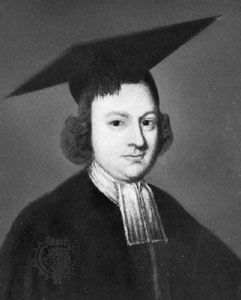
Our gradual hymn this morning is 527 in the red hymn book but before we stand to sing it, can I introduce it to you. I’m not sure if you know it at all. The words were written by Christopher Smart, an 18th Century poet and academic. He ended up in mental institution and reading his life story on Wikipedia you will see he frequently would suddenly start preaching in the middle streets or in parks in London which forced his father-in-law to have him committed. It was believed that he wrote this hymn while in the mental institution. As you sing this hymn, do look at the wonderful poetic techniques he uses – alliteration O the Magnitude of meekness and stupendous stranger and his expression of amazement that God is incarnate in the form of a baby – if eternal is so young.
1 Where is this stupendous Stranger? Prophets, shepherds, kings, advise! Lead me to my Master’s manger, show me where my Savior lies.
2 O most Mighty, O most Holy, far beyond the seraph’s thought, are you then so mean and lowly as unheeded prophets taught?
3 Oh, the magnitude of meekness! worth from worth immortal sprung! Oh, the strength of infant weakness, if eternal is so young!
4 God all bounteous, all creative, whom our sins could not dissuade, you have come to be a native of the very world youmade.
[Unfortunately, this is the only version of the hymn I could find set to the tune Haron Holgate and the words sung here differ from what appear in our hymn book – given above.]
Sermon
We have just sung Where is this stupendous stranger? Prophets, shepherds, Kings, advise: lead me to my Master’s manger. It is obvious that Christopher Smart was talking about the Baby Jesus. Why does he call Jesus Stupendous? Well, according to the dictionary Stupendous means ‘something to be wondered at something amazing; something marvellous, prodigious; amazingly large or great.’ There is a slight contrast here, isn’t there.
This stupendous person is a tiny baby, but we know who he is, we know what he taught and how he lived when he grew up, don’t we? But why then is Christopher Smart calling him a ‘stranger’? It is a flash back to what you most probably heard at the Christmas services on Thursday. It refers to John’s gospel the opening of chapter one and that lovely passage, In the beginning was the word. Further on it say He [the Word] was in the world, and the world came into being through him; yet the world did not know him. He was stranger to us living in this world in spite of what the prophets said, in spite of the shepherds coming to the manger, in spite of the three foreign wisemen also coming with their gifts.
So where is this Stupendous stranger? Well, our gospel reading this morning tries to answer that question. It gives three answers. The first, is where Jesus isn’t. He is not still in that manger in Bethlehem. Having been warned in a dream, Jesus, Mary and Joseph and the wee donkey made their way to Egypt. What is interesting, is that tradition says the family went via Rafah and across the Sinai dessert. If the name Rafah sound familiar, it is because today, Rafah is one of the few entry points for relief columns to bring goods into the Gaza strip.
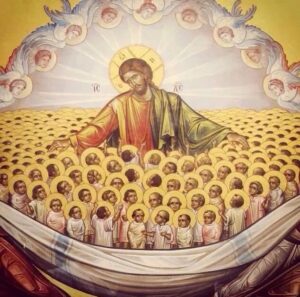
As I mentioning Gaza, we are reminded of devastation, the pointless killings that has gone on in Gaza over the past two years and it brings me to the second part of the Gospel story which is Herod’s response to the wisemen who did not tell him where the Holy Family were in Bethlehem. What ended up was a very angry Herod killing all the children living in Bethlehem who were under two years of age.
The third part of our Gospel this morning occurs after Herod had died and an Angel of the Lord tells Joseph to take the Holy Family back to Israel. Because Herod’s son, Archelaus [Arc-e-lay-us]was ruling over Judea, Joseph was fearful, so he took his family to the district of Galilee and the town of Nazareth.
I was going to say that these are three lovely little episodes in Jesus’ life but the middle one, what is called the slaughter of the Holy Innocents – whose Feast Day is actually today the 28 December – is anything but lovely. However, each of these episodes deserves a sermon of its own. Now don’t worry I’m not planning to do that.
One thing I did noticed and I am sure you noticed too is that each episode, the flight to Egypt, the massacre of the children and the return to Nazareth has a prophecy from the Old Testament added by Matthew as a indication that what was happening in Jesus’ life and that of his family were all prophesized about years before the events actually happened. Matthew does this because he firmly believed that Jesus is the Messiah and he was trying to prove this fact to his readers by quoting prophecy.
Matthew knew where this stupendous stranger was but he fits in more with Christopher Smart’s statement and question in the 2nd verse: O most mighty, O most holy, far beyond the seraph’s thought, are you then so mean and lowly// as unheeded prophets taught? Matthew knows that Jesus is mighty and holy but like Christopher Smart I’m sure he was concerned that the people had missed the message of, what Smart calls, unheeded prophets. The prophets’ message was a forewarning to the people. Matthew points to the episodes in this morning’s Gospel reading and shows how they are a fulfilment of prophecy, even if the people had previously missed the connection.
You might ask: “But why does Matthew do that? Surely these episodes in Jesus’ life can stand alone without being linked to Old Testament prophecy. Why look back all the time? Rather look ahead to the Good News that Jesus brought”
We must remember that the writer of Matthew’s Gospel was Jewish and was writing for Jewish readers. His great interest was the fulfilment of prophecy, because he wanted to convince his Jewish readers that Jesus was the fulfilment of it; that Jesus was the Messiah. Also, by his frequent references to these prophecies, he makes it clear that Jesus did not just appear on the scene unexpectedly. God had been laying the groundwork for the coming of the Messiah. All along, through the prophets, God had been telling his people to expect the Messiah to come.
Those who have heard and understood the prophets, those who have heard and understood the adult Jesus and his message, those, like us, who each year journey with Jesus from his birth at Christmas through to his death on the Cross and his Resurrection at Easter and then journey on for the rest of the year to hear about his teaching in our weekly Sunday Gospels – all of these people and us, can relate to Christopher Smart as he says in amazement: O the magnitude of meekness, worth from worth immortal sprung: O the strength of infant weakness, if eternal is so young.
As John said in his prologue In the beginning was the Word. Yes the Word, the Christ was there at the begin of all time. Again as John says, in Revelation I am the alpha and Omega, the beginning and the end. Yes, this eternal one, Jesus the Word incarnate is that baby – O the strength of infant weakness, if eternal is so young.
You know the bottom line of any sermon for me is: What can we, the hearers of the sermon, take home? What in the sermon will help us to make our lives more fulfilled? When I was curate, my rector said to me: ‘You should be able to summarise the message of your sermon in a single short sentence.’
What is that sentence this morning? Is it perhaps the last verse of Christopher Smart’s hymn? God all-bounteous, all-creative, whom no ills from good dissuade, is incarnate, and a native of the very world he made.
Yes! God was incarnate in Jesus. Jesus is Emmanuel, God with us, and through the Holy Spirit, God is still with us. God actively guides events in our lives, even when they seem chaotic and dangerous, just as that flight into Egypt and killing of Holy Innocents were for Mary and Joseph. God’s providence is at work, perhaps through angelic messages such as Joseph heard and divine guidance to go to a safe place such as Nazareth. God continues to do this for us, all to ensure that God’s purposes is accomplished in you and in me.
As we look ahead to the coming New Year allow yourselves to be open to the messages that God wants you to hear so as to accomplish God’s will here and now. Amen
St Stephens, Pinelands Today’s gospel reading, the parable of the Good Samaritan is perhaps, together with the Parable of the Prodigal Son, one of the most famous of Jesus’ parables.
While I was preparing this sermon I started thinking about authors and story-tellers. I wondered if they show any of the traits the people, the characters in their stories have. Jesus was a wonderful story teller. His parables fascinated the listeners in his day as much as they fascinate us today. He does this by making the stories start off just like normal life for his listeners, then he suddenly adds a little twist, a step into the unusual which attracts their attention even more. Because Jesus showed that he knew the ins-and-outs of his characters, I’m sure they were traits Jesus had himself.
So can I start by perhaps shocking you and saying that Jesus was DISRUPTIVE. What? How was he DISRUPTIVE? Well, just read some of the parables and you’ll see what I mean. In his parables Jesus introduces the unexpected. The parable about the owner of the vineyard who goes out and employs workers. This owner goes out every couple of hours and returns with more workers right up to five pm. Then at six o’clock he pays them all the same wage! Isn’t that disruptive of all normal practices. Or the parable of the prodigal son – the father gives the son all his inheritance and then still welcomes the son back when he returns penniless. Now that is disruptive.
If Jesus is disruptive, then we who call ourselves Christians, that is we who are called to be Christ-like must also be disruptive. We must break from the normal practices. How? Well, Jesus told us. We must learn to love our enemies; we must learn to turn the other cheek and to go the extra mile. We must learn to think of others before ourselves. These sound all very disruptive things to do in a generation such as ours where fitting-in is the most important thing in life.
In fact, it sounds down-right DANGEROUS. But to be a Christian is downright dangerous. To do what is Christ-like is dangerous. We can see this in the parable that was read as our Gospel this morning. There was this poor old chap on his way to Jericho when, basically, he gets hi-jacked. We in South Africa can relate to a highway hi-jacking. But think for a moment about the Samaritan as he comes along the road. He sees a person in the ditch calling out for help. Isn’t this one of the same ploys used by South African hi-jackers? Place an accomplice on the road, when the motorist stops to check out what is going on, leap out of the bushes and steal the car. That must have been going through the mind of the Samaritan when he saw that traveller lying in the ditch. Was he a decoy for a gang hanging about behind the boulders alongside the road? Taking his life into his hands, living dangerously, the Samaritan carried out the actions of Christ by stopping, binding up the wounds of the victim and taking him to the nearest inn for safekeeping. Being a Christian is dangerous.
Jesus also tells a parable of man who finds a treasure in a field. This man then goes and sells everything he has so that he can buy that field and get the treasure. But what happens if the man was wrong? What happens if the treasure was not as valuable as he thought? He’s now lost all his money. To be a Christian means to live dangerously. In our own day we need only ask those Christian who are being persecuted for their faith to know that. We need only ask the Bishop of Washington, Bishop Mariann Edgar Budde who, earlier this year, looked President Trump in the eyes and told him that he must show more compassion towards immigrants; or Pope Leo XIV who stood up and voiced his opinion on vice president JD Vance. And here in our own parish, we just need to ask Fr Michael Lapsley, one of the many so-called ‘troublesome priests’ who faced arrest and persecution during the Apartheid era to know that to follow Christ and his way is downright dangerous. But what about you, when you say you are a Christian? Is it dangerous for you to confess your faith without being mocked or derided by your work mates? I remember once talking to a friend on the train going home from work, about going to a Church meeting that night. One of the other passengers turned and asked me, “Oh, are you a Christian?” And I thought “oh dear, I know what this means, she going to prattle on about loving Jesus and everything else.” So, I said to her “Oh no! I’m an Anglican.” I wasn’t willing to face up to the very insignificant danger of acknowledging my faith.
Why was I embarrassed about my faith? I should not have been embarrassed about my faith, should have delighted in it. Being a Christian should be a DELIGHT. Jesus lived a life that was filled with delightful things. You know, he was quite a party animal! He went to a wedding once and changed 600 litres of water into 600 litres of top-class wine. That must have been quite a wedding party. Jesus loved to go out to dinner parties, not only with his friends but with his enemies as well. Jesus said “I’ve come to bring you life with all its fullness.” His parables also reflect this delight in life.
There is the lovely parable of the woman who lost a gold coin from her chain of coins. What does she do? She lights up an oil lamp so that she can see in all the dark corners in her house. She re-cleans and re-sweeps her house, searching for that coin. What does she do when she finds it? She organises a party for all her friends and her neighbours. The cost of the oil and the cost of the party must have been far greater than the value of that single coin. But to share her joy and delight with others was something that she wanted to do and something that Jesus loved to do.
And so, to summarise, to be a Christian means to live a disruptive, dangerous and delight-filled life. I’m sure all you have already worked out my preacher’s cliché of using three catch words starting with D to help you remember. To be a Christian means living a 3D life –disruptive, dangerous and delight-filled.
Now some of you might have heard about 3D printers. They create 3D reproductions of an image. That means of course that the item reproduced has height, width and depth. To be Christian means we have height – to reach up to touch the living God. We have width to reach out and touch our neighbour. We have depth in order to live spirit-filled lives that are disruptive, dangerous and delightful.
So that is my challenge to you today. If you are a Christian, if you call yourself a Christian, if you would like to become a Christian – then I encourage you learn to live a life that is disruptive, dangerous and delightful so that you can become a 3D person, a person who has height, width and depth.
Over the past three years I have written a blog about a carol that attracted me in that year’s preparation for Christmas. Two years ago, it was ‘What sweeter music’ (words by Robert Herrick and music by John Rutter.) Last Christmas it was ‘Tomorrow shall be my dancing day’ words by that great poet ‘Traditional’ and music by John Gardner.
This year I had a bit more time to experience various carols as I was asked to do a parish faith-sharing series called ‘Faith and Music’ at St Stephen’s Pinelands and the December meeting was entitled ‘What sweeter music… than a carol.’
Why I chose it…
I started watching YouTube videos of Carols and histories of carols to give me a springboard for the presentation. I came across Jeremy Summerly’s various ‘Christmas Lectures’ videos for Gresham College. It appears that he has given an annual lecture on various aspects of carols and music for Christmas for many years now. One of these lectures discussed the 450th anniversary of the publication of Piae Cantiones Ecclesiasticae et Scholasticae Veterum Episcoporum (1582). The title can be basically translated as ‘Pious Church and Scholastic Songs of the Venerable Churchmen’
This publication was from Finland and collected by a Finnish schoolmaster Theodoricus Petri Rutha of Nyland, who taught at the Cathedral school at Turku, Finland. It contained seventy-two songs mostly with just a melody line. It has become a source of many carols and hymns with modern composers arranging the harmonies for us to use today in our worship. In our Hymns Ancient and Modern New Standard we find two hymn tunes sourced from this publication. The tunes are for the hymn ‘Of the Father’s love begotten…’ and secondly, a tune called Personent Hodie used for modern words ‘Long ago, prophets knew…’, an Advent Hymn.
Among the carols are ‘Up! Good Christian folk and listen’ with the words by G. R. Woodward but the melody adapted from Piae Cantiones, and ‘Good King Wenceslas’ with words by J. M. Neale and the music was that for a Spring Carol also found in Piae Cantiones.
It is amazing how one book of tunes from an obscure town of Turku in Finland and collected by a schoolmaster has played such an important role in English hymns and carols. One of the tunes written out in harmony but only for the chorus (not the verse) of the carol I’ve decided to make ‘My Carol for the Year 2025’ mainly because researching it for my Faith and Music presentation at St Stephen’s Pinelands early in December has opened so many doors for me on the history of carols.
MY carol for 2024
The name of the carol I’ve chosen is ‘Gaudete’ [Rejoice]. In my introduction to the Faith and Music presentation I was trying to define what a carol was. The Oxford Book of Carols defined Carols as being ‘simple, hilarious, popular and modern’. These terms need a bit more explanation:
Simple – this implies that a carol should be spontaneous and direct in what it says to us. This often leads to them rambling on like folk-ballads tended to do.
Hilarious – this is a strange use of the word but an archaic meaning is ‘boisterous and merry’. This also points to the word ‘carol’ being derived from the Latin and Old French word meaning ‘to dance’. This is where ‘Gaudete’ comes in for me. With its syncopation one cannot but help feeling the need to dance when it is sung in a vigorous way (see below for examples).
Popular – this means that carols were sung by all people, not just the choir and the clergy. Most often carols were sung by the common people going from door-to-door singing carols in the wassailing tradition, usually ending up in the local pub.
Modern – With Piae Cantiones being published in 1582, this seems to be a contradiction but The Oxford Book of Carols (TOB), using rather gender-specific language, typical of its era, TOB was first published 1928. It says that carols are ‘always modern, expressing the manner in which ordinary man at his best understands the idea of his age, and bringing traditional conservative religion up to date.’
Does ‘Gaudete‘ fulfil the requirements of being ‘simple, hilarious, popular and modern’? I think it does – if one performs it in a suitable way. Here we need to look at the words and the music separately.
The words
Latin Gaudete, gaudete! Christus est natus Ex Maria virgine, gaudete!
Tempus adest gratiæ Hoc quod optabamus, Carmina lætitiæ Devote reddamus. Gaudete, gaudete! Christus est natus Ex Maria virgine, gaudete!
Deus homo factus est Natura mirante, Mundus renovatus est A Christo regnante. Gaudete, gaudete! Christus est natus Ex Maria virgine, gaudete!
Ezechielis porta Clausa pertransitur, Unde lux est orta Salus invenitur. Gaudete, gaudete! Christus est natus Ex Maria virgine, gaudete!
Ergo nostra contio Psallat iam in lustro; Benedicat Domino: Salus Regi nostro. Gaudete, gaudete! Christus est natus Ex Maria virgine, gaudete!
English Rejoice, rejoice! Christ is born Of the Virgin Mary – Rejoice!
The time of grace has come— What we have wished for; Songs of joy Let us give back faithfully. Rejoice, rejoice! Christ is born Of the Virgin Mary – Rejoice!
God has become man, With nature marvelling, The world has been renewed By the reigning Christ. Rejoice, rejoice! Christ is born Of the Virgin Mary – Rejoice!
The closed gate of Ezekiel Is passed through, Whence the light is risen; Salvation has been found. Rejoice, rejoice! Christ is born Of the Virgin Mary – Rejoice!
Therefore, let our assembly Now sing in brightness Let it bless the Lord: Salvation to our King. Rejoice, rejoice! Christ is born Of the Virgin Mary – Rejoice!
This carol is in Latin and not macaronic, where Latin phrases are introduced into a carol in the vernacular language, as for example, ‘In dulci jubilio, Let us our homage show.’ The Latin phrases, however, are all very well-known likely to be understood easily even by the uneducated person having heard them regularly in the liturgy. Thus, it is simple and popular and the music (see below) makes it hilarious and modern.
The Music
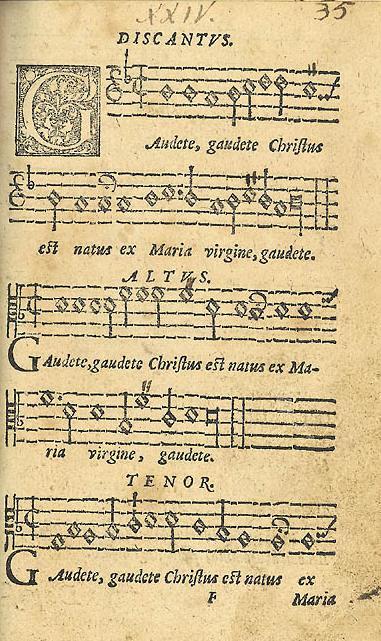
As far as the music goes, I’ve said already that the Piae Cantiones had 72 melodies and very few written with harmonies. Gaudete was one of the few that did. (See picture of score, showing the score with separate parts.) Unfortunately, there is no music given in Piae Cantiones for the verses. The YouTube channel, Early Music Sources by Elam Rotem gives a very good and interesting exploration of the early sources for the chorus as well giving examples of verses used by performers. Use this link https://www.youtube.com/watch?v=Aab7TvfDEKE if you want to see where the tune first arose. Basically, a choir planning to sing today would have to find a suitable version to express the joyfulness of this carol.
I was looking for a version to play for the Faith and Music group.
Version 1: In my CD collection I had a CD I bought at Portsmouth Cathedral with their choir under Dr David Price. Their version of Gaudete was arranged by Luke Fitzgerald who brings in percussion and the organ to express the celebratory nature of the carol. This is close to what I think fulfils the definition of simplicity, hilarity, popularity and being modern.
From CD Verbum Caro Factum Est Choir of Portsmouth Cathedral Director David Price (Herald CD HAVPCD407 2018)
Version 2: However, the one I chose to play to the group was a version by the British folk-rock group Steeleye Span from the 1970s and 80s. It became very popular reaching the Top40 charts – one of the only two Steeleye Span had- the other was ‘All around my hat’. This version of Gaudete has simple harmonies and the singing by the soloist, Maddy Prior and the rest of the group, has a ‘roughness’ and ‘boldness’ giving a ‘in-your-face’ feel to it. The words are also pronounced in a ‘non-liturgical Latin’ or ‘Italianated Latin’ way making it sound more ‘popular’ – of the people, rather than ‘of the choir and educated clergy.’
Taken from one of many online Youtube videos Steeleye Span – live performance.
Which one do you like most? Which version is truly a carol? Feel free to message me in the comments.
While searching I came across a parody version entitled Crudité rather than Gaudete and if you listen carefully to the words, pre-dinner snacks are more to the fore than rejoicing over the birth of Jesus! This version perhaps uses the definition of ‘hilarious’ in its modern rather than archaic way!
Found on YouTube. Song by Blanche Rowen and Mike Gulston
The Pratts have done a different thing from most people. After eight years of retirement in the seaside suburb of Fish Hoek, we have moved nearer the city, to Pinelands.
We were warned by friends that Pinelands was ‘dry’. Having lived in Fish Hoek since 1957 (with a gap from 1994 to 2016 while serving as a priest) I knew exactly what that meant, what with the ’Defenders of Fish Hoek’ and all that! Another friend told us how she had heard that Pinelands was dry and had wondered why the infamous Western Cape winter rains didn’t reach Pinelands while soaking Newlands a mile or two nearer the mountains! Then the Pinelandians or is it Pinelanders had to explain to her that there had been, up to the formation of the uni-city in the late 1990s, no shops or restaurants serving alcohol.
In Fish Hoek that situation has now completely reversed. All the supermarkets in Fish Hoek have their adjacent bottle stores and most of the restaurants are licensed. Here in Pinelands they have only gone halfway. The restaurants serve alcohol but there are still no off-license or bottle stores within the old Pinelands municipality boundaries, though there are many just ‘over the border’ in Maitland and Mowbray and maybe at other sites I haven’t discovered yet.
Living Fish Hoek from the late-1950s I knew that ‘dry’ meant no sale of alcohol. I first came across it while in Wynberg Military Hospital to have my tonsils out aged ten years old. In the waiting room there was a sign saying that the SADFI Canteen was a dry canteen. I had to ask my parents what that meant. SADFI or South African Defence Force Institute was a shop or store selling all manner of goods to service personnel and their families living or working in the military camp. As thius was a ‘Dry Canteen’ no alcohol would have been sold.
Although I knew what ‘dry’ meant I wondered if there was an opposite? Could a canteen selling alcohol be called a ‘wet canteen’? I discovered that there was. The term ‘wet’ was used to describe stores which had alcohol among the items for sale.
Many years later I came across these terms, ‘wet’ and ‘dry’ while researching my master’s thesis. The subject was the Anglican Church’s mission to the Muslim in the Western Cape. Although over the years many priests had been asked to take on this task by the Bishop of Cape Town, many saw a greater need elsewhere in the diocese. A good example were the Cowley Fathers (SSJE- Sacred Society of St John the Evangelist). They had been asked to come to the Cape to do the mission work among Muslims but found that little of no work was being done among the migrant Xhosa men working as stevedores at the docks or those constructing the dams on top of Table Mountain. Thus, the Cowley fathers re-directed their efforts in this direction.
In my research I had to ensure that there wasn’t any Muslim mission work being done by individual Cowley Fathers. I came across a reference to one father who had given evidence to the Cape Colonial Government Commission on the drunkenness of the so-called ‘Coloured’ people and other indigenous people in the Colony. In this Blue Book Report the Cowley Father giving evidence spoke about large number of ‘Wet Canteens’ in the poorer areas enabling easy access to alcohol for lowly paid workers. Having previously had the knowledge about ‘wet’ and ‘dry’ I knew what a Wet Canteen was and that it was not a bar through which a river flowed!
I wonder how much longer Pinelands will remain ‘dry’? I am told that a mall containing a Checkers supermarket is being built on the old Conradie Hospital site. This is just out of Pinelands but if customers want to purchase liquor as well as groceries I wonder how many will stop grocery shopping at the local Pick n Pay or Spar and drive to Conradie Park and kill two birds with a one-stop-shop. This could lead to a loss of trade, force these supermarkets also applying for a grocery store liquor licenses. Personally, I have no problem but let’s see how it all develops.
13 Now when Jesus came into the district of Caesarea Philippi, he asked his disciples, ‘Who do people say that the Son of Man is?’ 14And they said, ‘Some say John the Baptist, but others Elijah, and still others Jeremiah or one of the prophets.’ 15He said to them, ‘But who do you say that I am?’ 16Simon Peter answered, ‘You are the Messiah, the Son of the living God.’ 17And Jesus answered him, ‘Blessed are you, Simon son of Jonah! For flesh and blood has not revealed this to you, but my Father in heaven. 18And I tell you, you are Peter, and on this rock I will build my church, and the gates of Hades will not prevail against it. 19I will give you the keys of the kingdom of heaven, and whatever you bind on earth will be bound in heaven, and whatever you loose on earth will be loosed in heaven.’ 20Then he sternly ordered the disciples not to tell anyone that he was the Messiah.
Reading some online commentaries on the above passage, I found that Jesus’ first question was understood differently by the different commentators. One started off by saying: ‘Jesus asks the disciples who others think he, the Son of Man, is.’ ‘He, Jesus, the Son of Man is.‘ Another commentator differed in as much as he felt the question was simply asking what the people understood by the term ‘Son of Man.’ Not who they understood Jesus to be.
Son of Man is a term Jesus borrowed from prophetic and apocalyptic texts of the Old Testament. In over a dozen places in the Old Testament the term the “Son of Man” is used as a mysterious, symbolic identification of God bringing salvation to Israel and the world. Now Jesus uses the term “the Son of Man” some 30 times in Matthew’s Gospel. When we read that term in those passages, we think “He’s talking about himself.” But this is really what is called ‘dramatic irony’ because we know the rest of the Jesus story, while those initial hearers did’t, nor, at this point, do the disciples. What makes it worse is if you look at the passages you will see that sometimes the term seems to be about Jesus — but even then, it is a bit weird, as he seems to be talking about himself in the third person, almost as if talking about someone else. Other times it seems more like Jesus is referring back to the OT apocalyptic and prophetic texts, saying something about how they will be fulfilled.
So, yes, the people identify the Son of Man with dead prophets sent by God who did miraculously deeds, who stood toe-to-toe with kings and delivered to them words of doom, opposition, and hope from God. In the eyes of the people John the Baptist was the last powerful man of God but others had to search all the way back to Jeremiah. We who know Jesus as the son of Man might think the answers given by the disciples merely show how ‘dof’ those disciples were. But I would like to suggest that they had the right answer to the question as given, Who do people say that the Son of Man is? Or to put it more colloquially, ‘You know, that strange figure in the prophets? Are people talking about apocalyptic figures at all around here now?’ and the answer given by the disciples was ‘The Son of Man might be one of the prophets? Maybe Elijah or Jeremiah risen from the dead?’ The answer Jesus was hoping for was: ‘YOU Jesus! People think YOU are the Son of Man!’ The crowd has not yet figured out that Jesus’ convoluted references to the Son of Man as he preached and taught was referring to himself. So is Jesus like the prophets of old? Did he stand ‘toe-to-toe with kings and delivered to them words of doom, opposition, and hope from God.‘
Some of you might know that I’m interested in genealogy. Matthew, the Gospel-writer was as well. In the beginning of his Gospel he gives Jesus’ genealogy. Genealogies are not just simple accounts of past ancestors. They are ways that we construct our identity, ways in which we relate to our past. Jesus’ identity is inextricably linked in Matthew’s genealogy with Abraham and David, with exile and deliverance, with kings and extraordinarily faithful women. Also if we look at the birth narrative we can see a closeness between the Jesus story and Moses’ story. Basically, for Matthew, identity is not just about who you are but who is around you, who is accompanying you, who has come before you.
When Jesus asks his disciples about public opinion, they recount that many think he is John the Baptist or Elijah or Jeremiah or another prophet risen anew. The crowds have got an important part of Jesus’ identity exactly right. His ministry is a continuation of the narratives of God interacting with God’s people. In many ways, Jesus is not a detour on God’s plans. Instead, Jesus belongs in a long line of faithful servants of God, prophets willing to stake their lives for the sake of God’s people. As I said just now, the people hadn’t worked out that Jesus identified himself with the Son of Man.
However, Jesus has another question. A more direct and personal question for his disciples. He asks ‘But who do you say I am?’ The disciples are silent. With the exception of Simon Peter, they don’t seem to have an opinion of their own. Peter emerges as spokesperson for the Twelve: “You are the Messiah, the son of the living God”. Jesus blesses him calling him, Simon Bar Jonah, and he sounds a bit like a teacher praising the courageous student for giving the correct answer. Jesus says that Peter’s answer did not come from human beings or what he heard from others. Peter identification of Jesus was based on personal encounters with God. The same goes for us. How we identify Jesus should be grounded in a lifelong personal conversation with God. Our denomination’s theology, our church practice, our priest churchmanship, our spiritual directors’ advice, our mothers or fathers, our siblings, our Sunday school teachers and others will all have their opinions, but in the end we have to decide for ourselves in conversation with God how we will identify Jesus.
A living God is a dynamic God and not a static God whose clearest communication happened in the past. Jesus is the Messiah of the living God. Jesus, as Son of Man, means that God continues to speak and to act. God does not have to bring back to life John the Baptist, Elijah, Jeremiah, or any other prophet to speak. God never ceases to exist and to create and to anoint.
We could say this reading asks three questions about people’s identities. Who is Jesus – the son of Man; who is Peter – the rock (petros) on whom Jesus will build the church and who holds the keys of the kingdom of heaven. And so that leaves one final question: “Who are you?” and “Who am I?” And the answer is: we are people who, like Peter, also hold the keys to the kingdom of heaven. We are people to whom has God a given a mission to carry on the work of Jesus. If you, like Peter, recognize Jesus as the Messiah, you, too, have been given the keys of the kingdom.
It is a tradition in the Diocese of False Bay to have a Back-to-School Sunday in early January. The school-going children wear their school uniforms (and so do some adults!) This is the first time I had the privilege of presiding and preaching at a Back-to-School Sunday.
SERMON
Words are important things. As you, the children of the parish, go back to school this week you are going to find out that you are learning new words. Some of the words you will learn are useful words in your studies. Other words you learn, not in the classroom but in the playground, will perhaps also be new to you. These might not be such nice words to use, especially in front of your teachers or your parents and certainly not here in Church!
You see, we go to school to learn new things. Doing new things, learning new things can be exciting but also scary – because it is different from what you are used to. Did you hear the words I used in the greeting this morning. I said: The Lord has sent me to bring good news to the oppressed, to bind up the brokenhearted, to proclaim liberty to the captives, and release to the prisoners; to proclaim the year of the Lord’s favour. Do you think those are my own words or did someone else use them? Yes, Jesus used them when he started his ministry, in the synagogue in Nazareth and all the people waited to hear what he had to say with eager anticipation.
If you look at those words you can see that they might very well fit your situation as you prepare to return to school or go to school for the first time. You might feel oppressed pushed down by all the worries you have – Jesus says he has good news for you. You might feel brokenhearted that your friends are going to different school from you or that you are no longer going to be at home with your mommy or your ma during the mornings any more but Jesus will bandage that broken heart, you might feel that being in school is like having your freedom taken away but in fact school will bring you more liberty and freedom, especially if you work hard and with consistency. You will turn the year 2024, the year of the Lord’s favour.
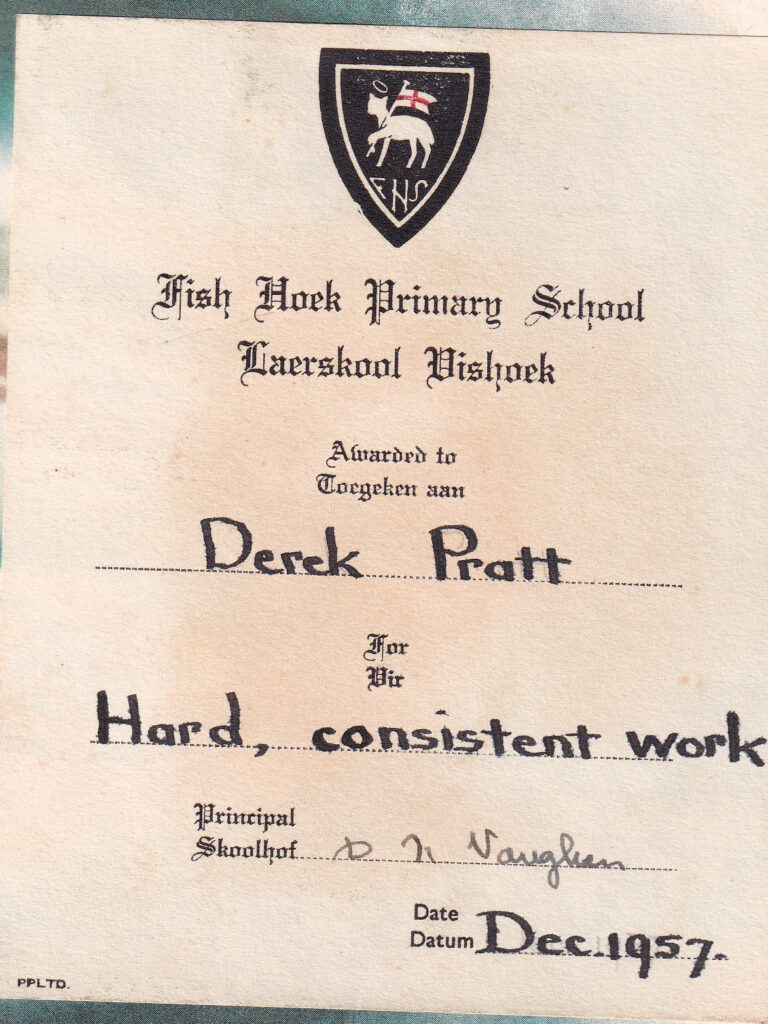
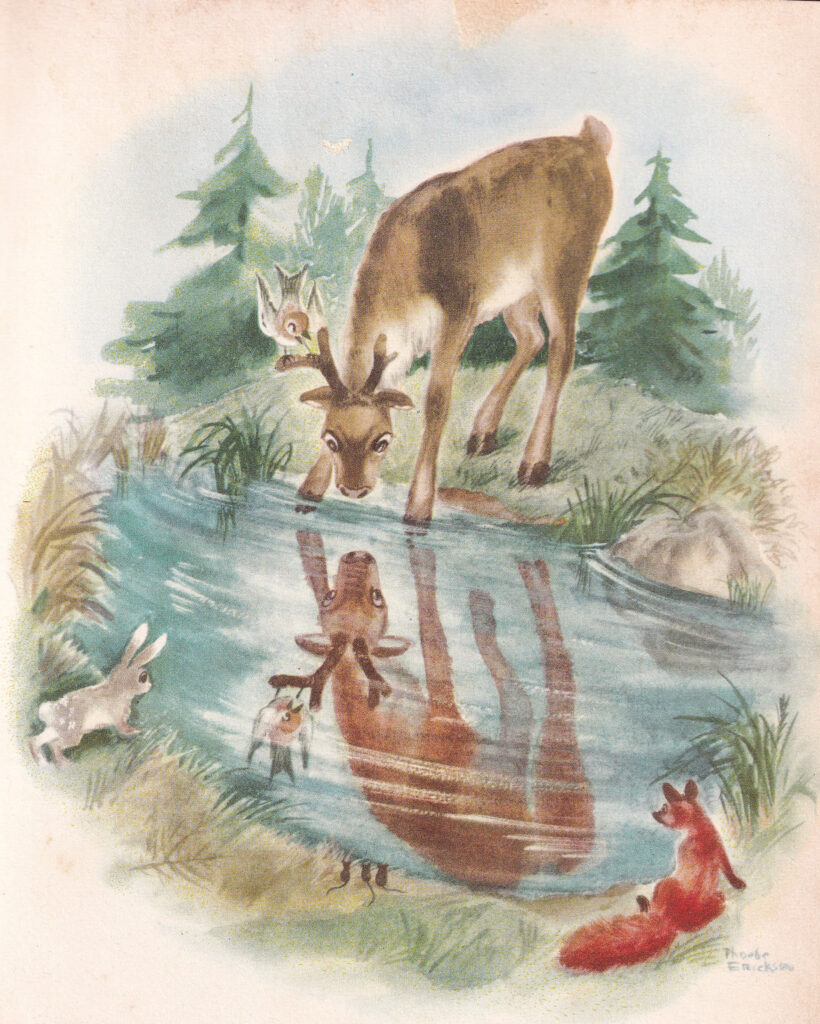
Even though I look very old, I too had to go to school for the first time. I was pretty lazy at school and only won one prize in all the 12 years I was at school. That was in what we called Sub B, now called Grade 2. It was a book called The Littlest Reindeer by Johanna De Witt Pictures by Phoebe Erickson (The Word’s Work (1813) Ltd., Kingswood, Surrey. 1957). Inside it says Fish Hoek Primary School: awarded to Derek Pratt for Hard, consistent work. signed the principal D N Vaughan. Look at that date! 1957.
Later I went on to Wynberg Boys High School – here it the original school tie I wore. I kept it as a memento. Last year 2023 was the fifty fifth year since I wrote matric in 1968!
I said just now that words were important. Did you notice that I said it was 55 years since I wrote Matric. I did not say 55 years since I passed Matric. You see I only got a F symbol for Afrikaans in Matric so I got what they called a Cape Senior Certificate. Later I did a degree through UNISA and when I had completed that initial degree, they sent me a Matric Certificate and later again, after I God had called me to serve in God’s Church, I did another Degree – this time a Bachelor of Theology and then while I was at theological college in Makhanda or Grahamstown, I got permission to go down to Rhodes University and I was privileged to be able to do Honours and a Masters degree in Church History and I was already 47 years old by then! So, you see, it took me a few efforts to get my qualification and although I still can’t speak Afrikaans very well, but can I just say, ‘Moenie panic nie!” Why not? Because God’s got a plan for you. It might not be your plan, but it is God’s plan and you must seek God out to find out what that plan is.
That reminds me a bit of the Old Testament reading this morning. I suppose one could say that Samuel was attending school. Slightly different from the sort of school that you are attending. Samuel’s mother wanted a son and she promised God that if God gave her a son, she would dedicate her son to serve God in the shrine at Shiloah under the priest Eli. So, Samuel went off to ‘boarding school’ in the temple. Here while he was sleeping, he heard a voice calling him. The voice was the voice of God but Samuel thought it was his teacher Eli, so obediently he went quickly to Eli. But Eli said it wasn’t him and so Samuel went back to his bed this happen again twice and by then Eli realised it might be God calling the boy and so he said to him that he must go back to bed and if he hears the voice again, he must say: “Speak, Lord, for your servant is listening.”
Our reading ends there but Samuel’s story goes on and as an adult, he is used by God to place David on the throne of Israel and David was the greatest King of Israel there ever was. When you are in the Bible Class, I’m sure you will learn more about this. But how does this story affect you? And when I say ‘You’ I don’t just mean the boys and girls returning to school but also the adults and parents here. Can you expect God to speak to you in dreams as he did with Samuel? Well, God might, if God has a plan for you, if God has something God wants you to do. The question is ‘How do you know it is God calling?’ after all Samuel didn’t, until Eli told him what to say. This is another reason why we go to School, another reason, Mom’s and Dad’s, why you come to church – to learn how to discern what God has planned for you and your family. As you learn more about God you soon learn when it is God calling or perhaps the opposite, when the devil trying to tempt you.
Our gospel reading is also a story about calling. Jesus called Philip – he just said – ‘Follow me’. What did Philip do? He went and told Nathaniel. Nathaniel didn’t believe that Jesus was the one the Jewish people were expecting – in other words the Messiah, but Philip said come and see and Nathaniel did. You see, it is a bit like school – we can’t learn things from our brothers and sister without input from the educators and Jesus is the ultimate educator.
This story takes a lovely turn here. When Jesus sees Nathaniel he says: ‘Here is truly an Israelite in whom there is no deceit!’ in other words- here is a trustworthy person. Jesus knew Nathaniel to be a trust worthy person. Nathaniel asked Jesus, ‘How did you know about me?’ Jesus simply says: ‘I saw you under the fig tree.’ Nathaniel replies: ‘Rabbi, you are the Son of God! You are the King of Israel!’ Goodness that is quite a response! Even Jesus thinks so, because he answered, ‘Do you believe because I told you that I saw you under the fig tree? You will see greater things than these.’
You will see greater things than these. My Grade 2 prize book about the littlest reindeer tells of the littlest reindeer who saw lots of great things.
What he saw were the antlers on the heads of all the other reindeer except him.
He didn’t have any and he felt very ashamed.
So, he didn’t join the reindeer herd as they travelled southward because winter was coming.
The snowbird came to him and said he mustn’t be silly, he would have antlers he must just be patient.
The littlest Reindeer also met a large musk who said the same.
Poor littlest reindeer ended up crying, but it was so cold, his tears froze as they fell from his eyes. So, cold and miserable he headed south by himself.
On his journey he met a walrus and a polar bear both wanted to eat him so he had to run away as fast as he could.
As he got further to the South, he noticed that his head was itchy so he rubbed it against a tree.
Then he saw the other reindeer heading north again as winter was over and he felt sad that he had no antlers and he felt he couldn’t join them, but voice said ‘Why not?’ It was the snowbird. ‘But where are you asked.’ the littlest reindeer. ‘Look down,’ said the bird and so he looked into a pool of clear water.
“Antlers!” cried the littlest Reindeer, “I have antlers.” “And fine antler they are too.” said the snowbird. “and think of all the tears you wasted. Sometimes you just have to be patient and wait for things to happen.” But the littlest reindeer didn’t hear him he was running off to join the reindeer herd.
God has a plan for you. It might not be tomorrow but God has a plan. It might be scary as you try and find out what that plan is. It might mean suffering. Jesus had to suffer to fulfil God’s plan but like Nathaniel, when that plan comes together then, as Jesus said to him: ‘Very truly, I tell you, you will see heaven opened and the angels of God ascending and descending upon the Son of Man.’ And that is something to look forward to.
So, as you enter school again or for the first time later this week, remember that God has a plan for you and take some time to be with God in bible reading and prayer and here in church on Sundays to discover what God’s plan is for you.
Derek Pratt with a little help from the Littlest reindeer!

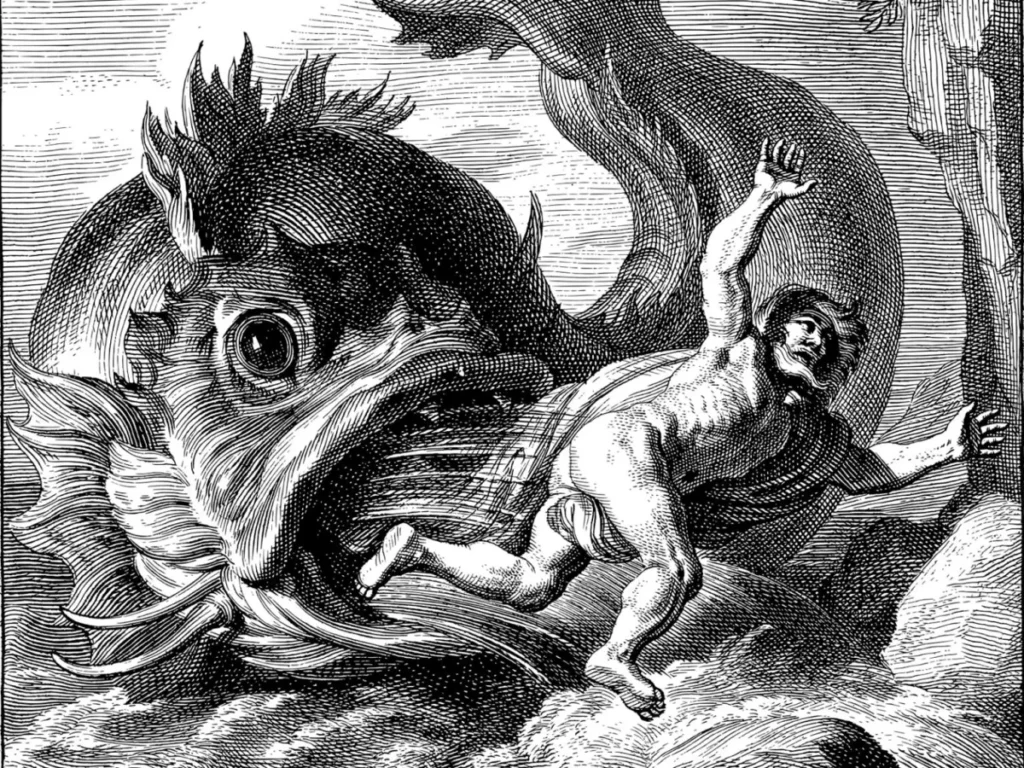
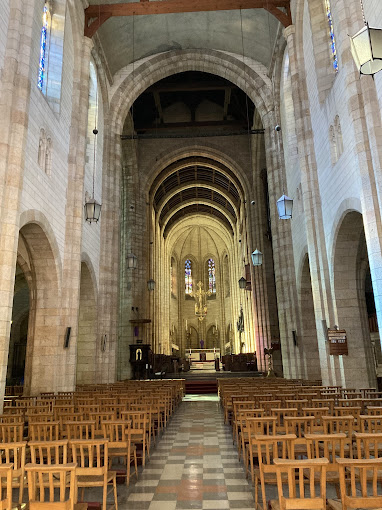 This Cathedral has a vast open space, and these columns rising up and arched at the top could be seen as whale ribs. So, my question is: do we perhaps feel too comfortable in this ‘whale’ – this cathedral – and unlike Jonah, we do not wish to be spewed out into the world to carry out the tasks God has given us.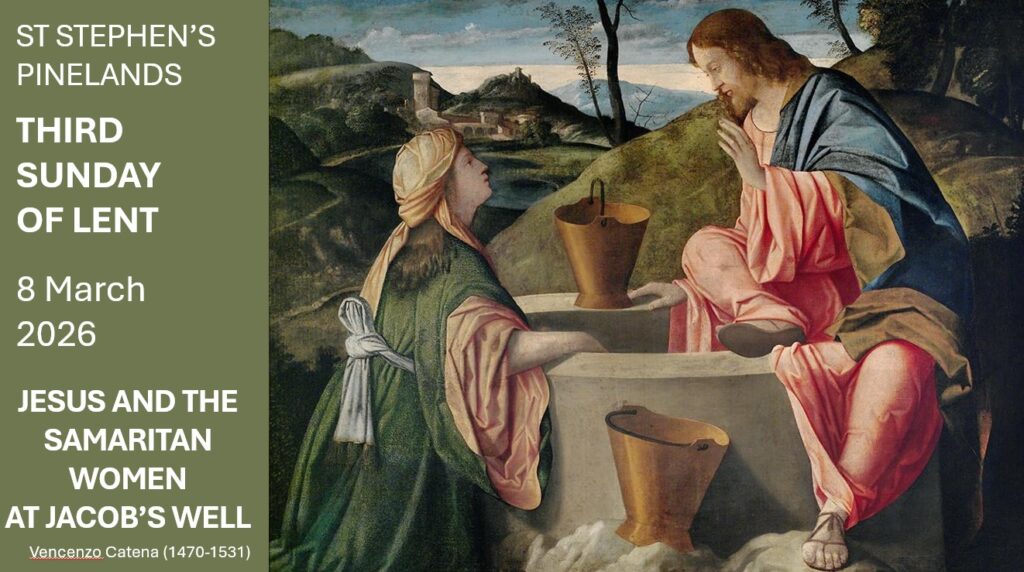
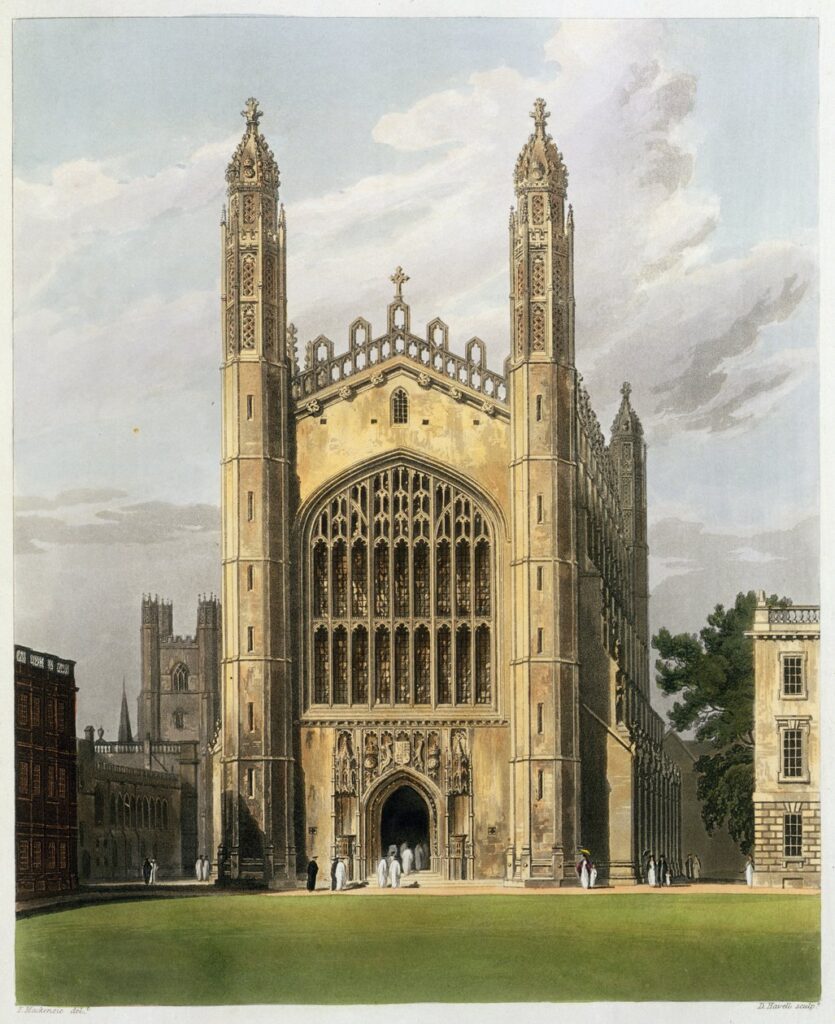 Previous Christmases I’ve chosen a carol that spoke to me about the true meaning of Christmas at that moment in my life. This year – maybe because we’ve been so busy – no such carol leapt out at me.
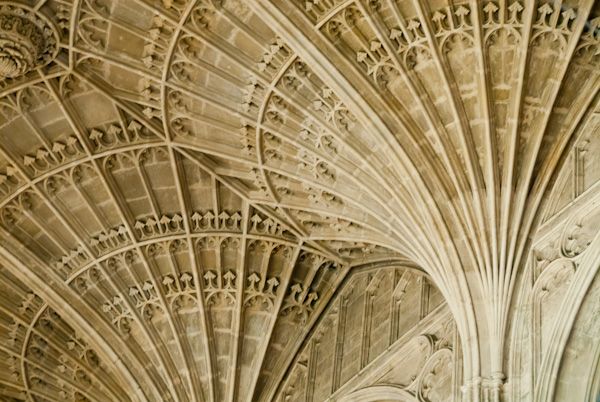 ‘…the stonework soars and springs to fountain out a spreading vault — a shower that never falls.’ Yes, that was the line I remembered and certainly that was what I saw in the TV broadcast – a stone-vaulted ceiling suspended in time and space, frozen for all eternity.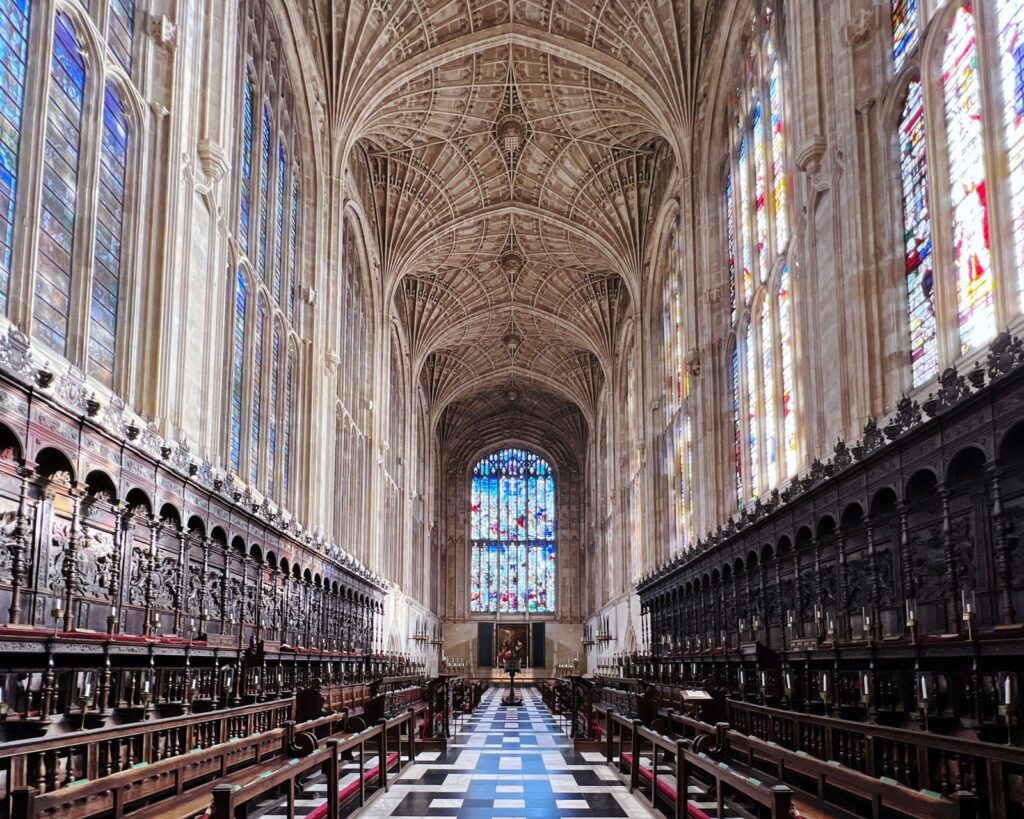
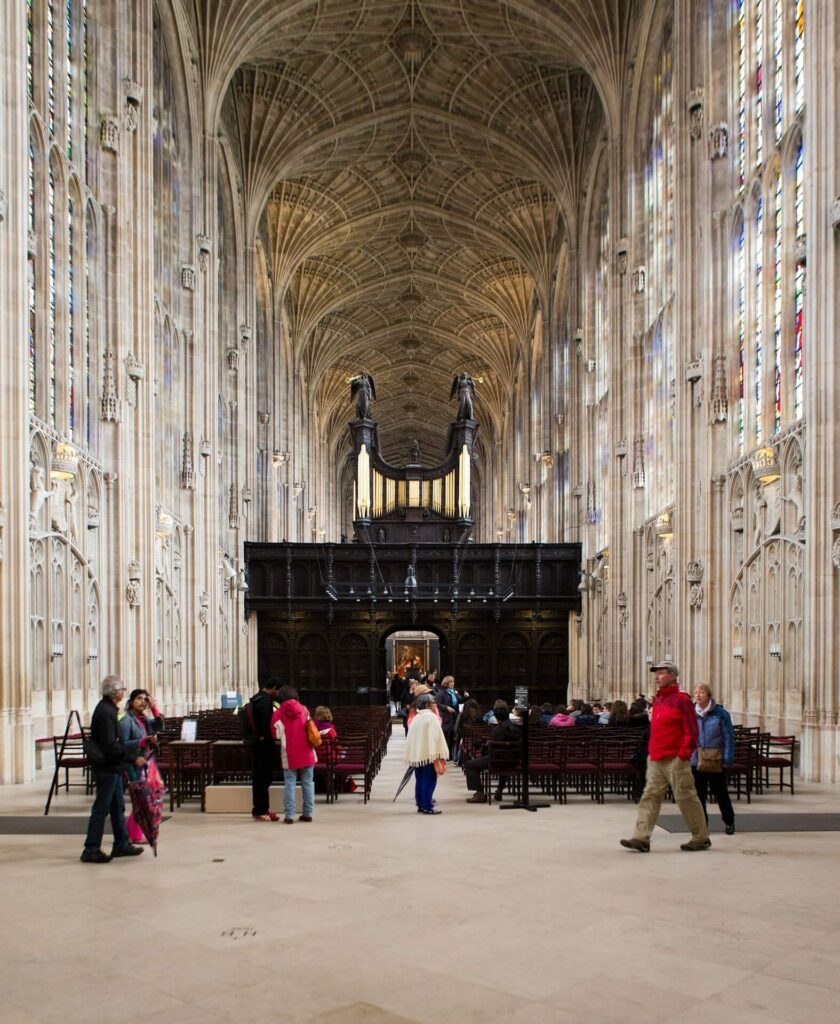
 Our gradual hymn this morning is 527 in the red hymn book but before we stand to sing it, can I introduce it to you. I’m not sure if you know it at all. The words were written by Christopher Smart, an 18th Century poet and academic. He ended up in mental institution and reading his life story on Wikipedia you will see he frequently would suddenly start preaching in the middle streets or in parks in London which forced his father-in-law to have him committed. It was believed that he wrote this hymn while in the mental institution. As you sing this hymn, do look at the wonderful poetic techniques he uses – alliteration O the Magnitude of meekness and stupendous stranger and his expression of amazement that God is incarnate in the form of a baby – if eternal is so young.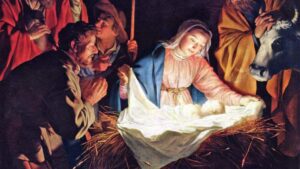
 mentioning Gaza, we are reminded of devastation, the pointless killings that has gone on in Gaza over the past two years and it brings me to the second part of the Gospel story which is Herod’s response to the wisemen who did not tell him where the Holy Family were in Bethlehem. What ended up was a very angry Herod killing all the children livi
 ng in Bethlehem who were under two years of age.