Desert Island discs: My version!
The BBC’s Desert Island Discs has since 1942 invited a guest, called a “castaway” during the radio programme, and they are asked to choose eight recordings, a book, and a luxury item that they would take if they were to be cast away on a desert island. As they do so, the interviewer discusses with them their life and the reasons for their choices.
I have often thought about which recordings I would take. Trouble is I like so much music, how can take one piece and leave another? To use two cliches, it is like a father having to choose his favourite child or for me to say, “My favourite piece of music is the one I’m listening to right now!”
A second question is in what order would I play them? Often on the BBC they are in chronological order of the guests’ life. I have chosen three recordings of popular music, two classical recordings and three church music recordings. So, I am going to do the recordings in that order although often I discovered them and fell in love with them simultaneously.
First Record.
Unlike my school friends I was not really into popular music as a teenager or later in my early twenties. I heard them on the radio etc but never thought, ‘That’s great. I must ask my parents to buy that seven-single.’
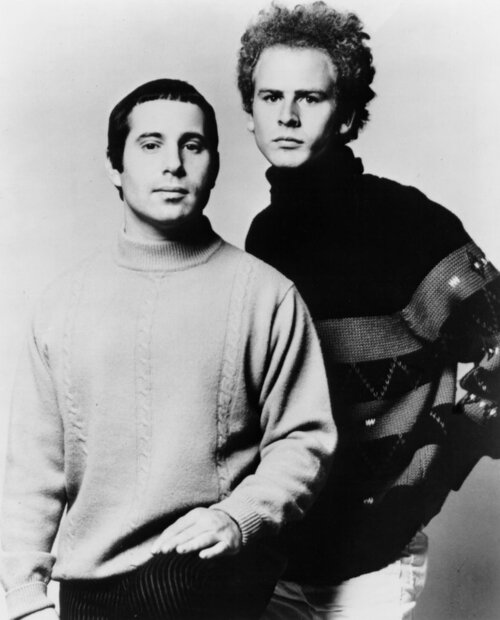
One group I did start to love was Paul Simon and Art Garfunkel. I remember buying Simon and Garfunkel’s LP Bookends and then started to try to obtain the other LP’s they had recorded earlier and I collected their subsequent recordings. Of course, I loved Sounds of Silence and Homeward Bound but often it was the one of the less popular cuts did it for me. So, my record number one would be Simon and Garfunkel’s For Emily whenever I may find her.
Simon and Garfunkel: For Emily whenever I may find her
That song tells of a dream of Emily and then waking up to find her right next to him. In my dreams I tend to experience the worse-case-scenario but when waking up it is never too bad!
Second Record.
Looking back and being more analytical in my old age, I realise that in my twenties I had become a fan of folk-rock music.
I remember dating Karen and driving home to Fish Hoek on a Saturday night after we had been to a movie or eaten out. I would drive to Fish Hoek listening to the English Service of the SABC which had on Saturday evenings 10pm to midnight, Malcolm Gooding with his programme, Going Gooding where he would play many folk-rock classics.
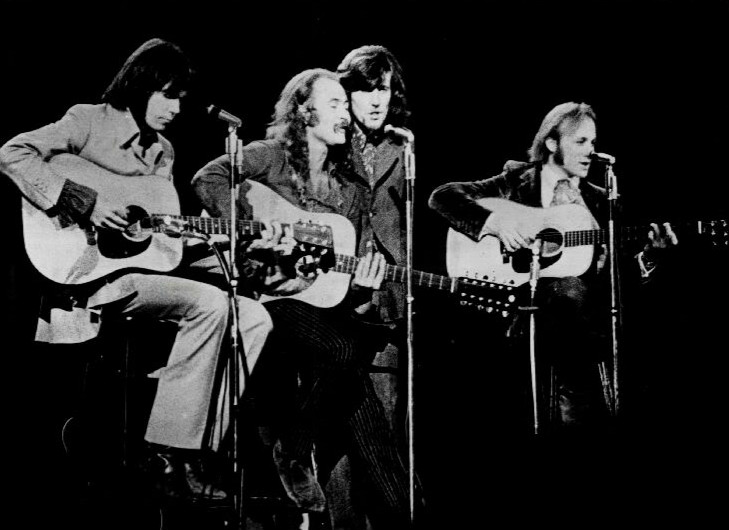
It was on this show that I first heard Crosby, Stills, Nash and Young. One song that I loved and is my second disc to take to the desert island, Suite: Judy blue-eyes. I was excited by it because it was much longer than most pop songs – 7 minutes 28 seconds long and as the title implied, it was a ‘suite’ of different section each expressing different things.
What I loved was the last section, at about 6’30” in the recording below, where the harmony-singers sing a simply do-do-do’s accompaniment to Stephen Still’s solo in Spanish.
Crosby Stills Nash and Young: Suite Judy Blue Eyes
Third Record.
Also while in my twenties and thirties I fell for Meatloaf and his ballads sung loudly and proudly. Bat out of Hell, I’ll do anything for love, Dead Ringer For Love all of which he sang with such passion.
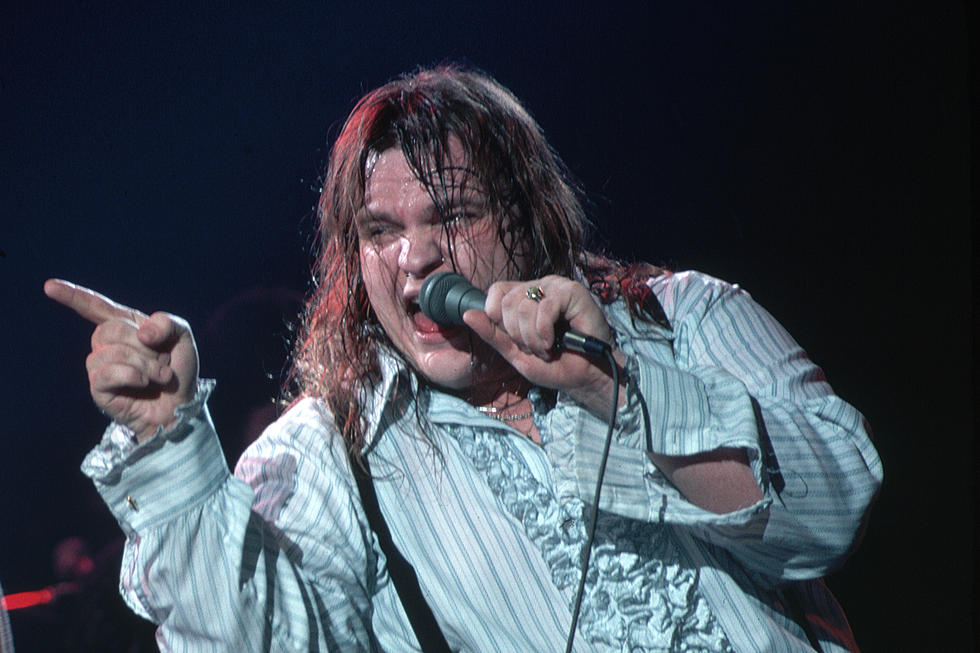
In my fifties I was looking on Youtube for some of his music and I came across one that I hadn’t heard or seen before, Objects in the rear-view mirror may appear closer than they are. It was a video of a live performance but it really moved me. I later found the original music-video for the song. It tells of the singer’s life experience, the death of his best friend while he was still young, the abusive relationship he had with his father, the seeking of love with an older woman. I loved some of Jim Steinman’s images and metaphors in the lyrics – ‘If life is just a highway then the soul is just a car’ (love that – must be a sermon in it!), ‘She used her body as a bandage, she used my body like a wound.’
Meat Loaf Objects in the rear-view mirror may appear closer than they are.
Fourth Record.
So onto my classical musical choices.
At School I once gave an English oral on Gilbert and Sullivan and the English Master, Mr Alf Morris (‘The Kid’) suggested that I should listen to some other classical composers such as Beethoven or Brahms.
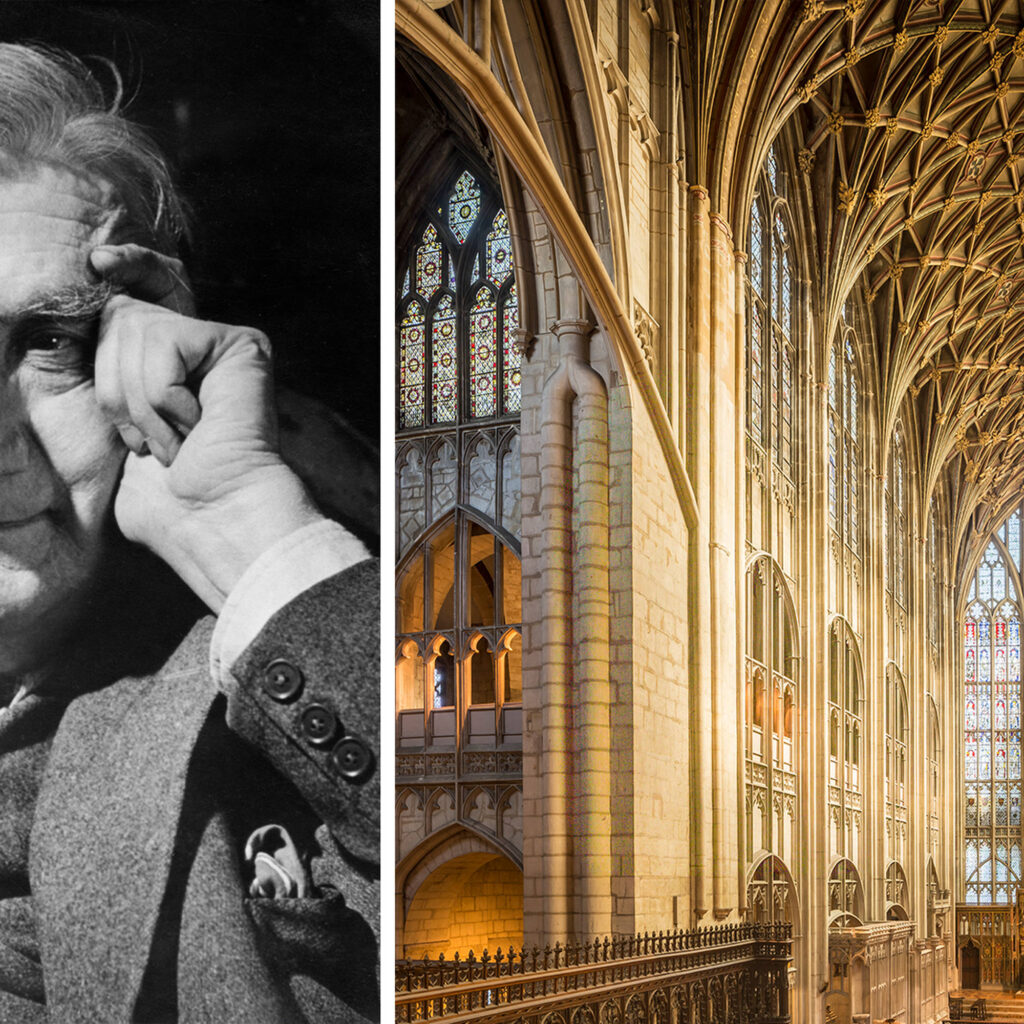
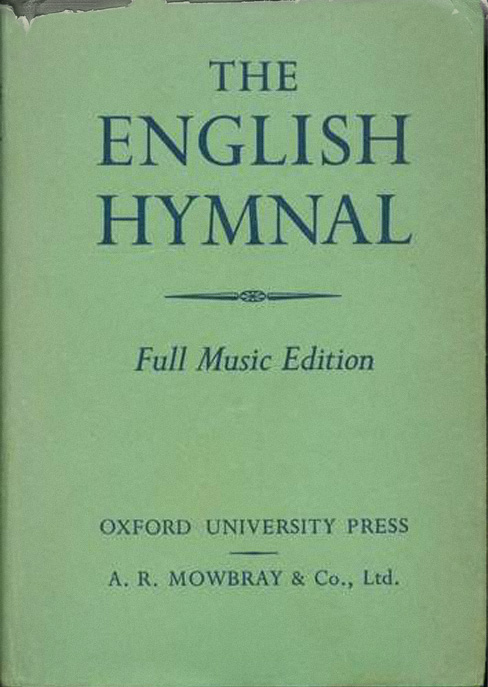
Later while in the church choir I discovered that the composer of my favourite hymn was Ralph Vaughan Williams and that he had written lots of symphonies as well as other non-Church music. One of those other orchestral pieces was Fantasia on a theme by Thomas Tallis. The theme Vaughan Williams used was in fact a hymn tune he had included in the English Hymnal (Tallis’s Third Mode Melody). So there was a connection to my church choir days.
This piece by Vaughan Williams is nearly always on the ‘Most Popular Classical Music’ List – perhaps not as high as his Lark Ascending but I loved its broad expansiveness. One record sleeve said that this piece was the embodiment of the English countryside. I disagree – I think it is the embodiment of the English Cathedral. The melodies soar up to the Gothic vaulting and echoes and re-echoes around the wonderful spaces that are the English Cathedrals.
Ralph Vaughan Williams: Fantasia on a Theme of Thomas Tallis Leonard Bernstein and the New York Philharmonic Orchestra
Fifth Record.
When I met Karen, she was already singing in the Cape Town Symphony Choir and she persuaded me to join. Every June, the last concert of the series, the CTSO played the Beethoven First and Ninth Symphonies. I had bought miniature full scores of both these and had great fun following from the Choir benches until the last movement when I felt obliged to use the vocal score like everyone else.
In the last movement the ‘Ode to Joy’ theme is first played by the cellos and then the violins take over the melody but the part I loved was the bassoon which seemed to go off on a walk-about playing a countermelody. I loved it but, on most recordings, it is hard to discern. In live concert I might have heard it more pronounced because the bassoonist sat just in front of us, the tenors in the Cape Town Symphony Choir.
I am not going to play the whole nearly 24 minutes of the last movement but merely the cellos with the melody and then the section I described above with the bassoon and its counter-melody.
Ludwig von Beethoven: an extract from the final movement from Symphony Nine in D minor Op125 …
Sixth Record.
As I sang in church choirs all my adult life my last three recordings are going to be church music or organ music. Even as a priest I would sneak off to the choir stalls to join the choir for the anthem.
I said earlier that my favourite hymn was by Ralph Vaughan Williams. It is ‘For all the Saints’ to RVW’s tune Sine Nomine. I even loved the name of the tune! Translated from the Latin it is ‘Without a Name’. I wanted to call my house Sine Nomine as a snub to people who give their houses cheesy title.
The hymn has eight verses, the first three in unison, the next three in harmony and then ending off triumphantly in glorious unison for the last two verses.
Hymn: ‘For all the Saints’ Words: Bishop W. Walsham How Tune: Sine Nomine Ralph Vaughan Williams sung by the Choir of Trinity College, Cambridge conducted by Richard Marlow.
Seventh Record.
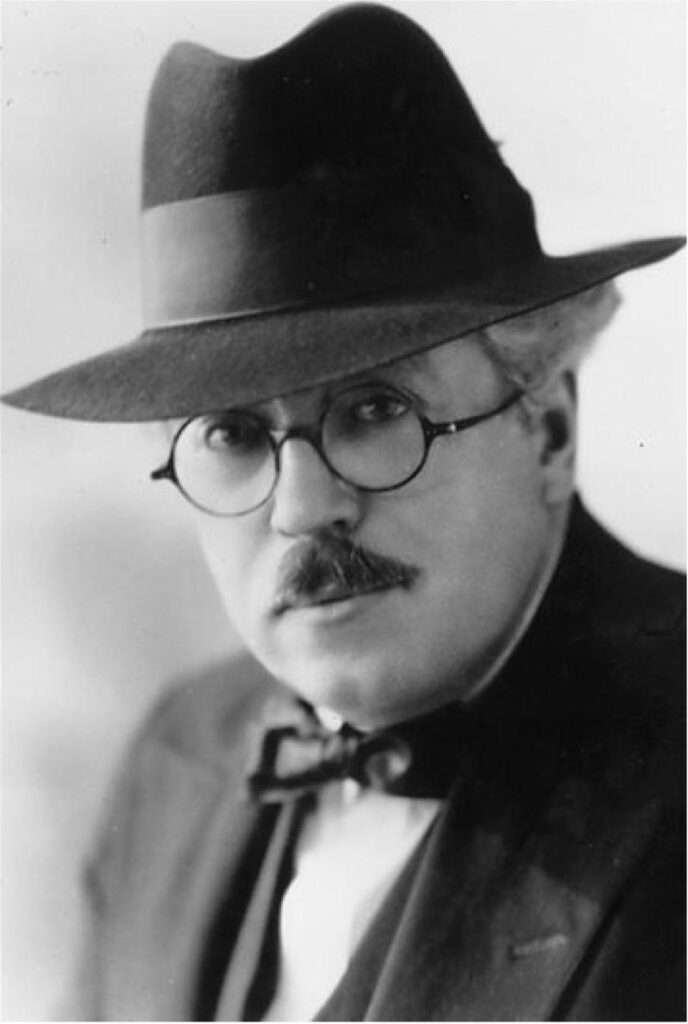
Karen learnt the organ, obtaining a LRSM in organ performance so I soon learnt quite a bit about organ pieces. Although Karen says playing Bach’s organ music is very satisfying, my choice of organ music for my desert island is unusual. It is Frank Bridge’s Adagio in E major.
It starts quietly with quite a disjunct melody which is added to in a fugal pattern, gradually getting louder until it reaches a climax and then dies away again to that single melody line. [Update Easter Sunday 9 April 2023 at Salisbury Cathedral in the UK. They must have known I was in the congregation as the organist played this piece before the Festal Evensong.]
Frank Bridge Adagio in E major for Organ: Christopher Herrick
Eighth Record.
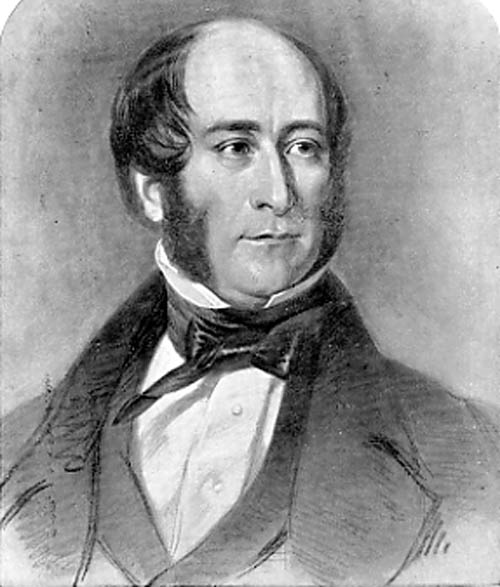
Besides hymns and Psalms, a church choir is called upon to sing anthems. One of the first anthems I learnt after joining the Choir at St Margaret’s Fish Hoek was S. S. Wesley’s Blessed be the God and Father. Wesley’s anthems were often large and comparable to Cantatas. Although shorter than his other long anthems can be divided into sections just like the others. It starts with a choral-like section for the whole choir. This is followed by a quasi-recitative for the men. Then comes a sublime soprano solo and response by all the sopranos. Another recitative for men is followed by a short triumphant fugal section with words ‘the word of the Lord endureth for ever’ which ends this anthem.
Samuel Sebastian Wesley: Blessed be the God and Father Choir of King’s College, Cabridge conducted by Daniel Hyde
A book and a luxury
On the BBC the guest is given the bible and the complete works of Shakespeare but can choose another book to take to the desert island.
I would be quite happy to lose the complete works of Shakespeare if I could have the Book of Common Prayer and my other book would be The Psalter pointed for Anglican chant and my luxury would be a book of chants by ancient and modern composers.
Usually, the guest is asked which recording they would keep if a wave should wash away the another seven. This is a tough one. I think t would be a toss up between the CSNY’s Suite: Judy Blue Eyes and Wesley’s Blessed be the God and Father.
What are the eight discs you would take to a desert island? Do comment below.